
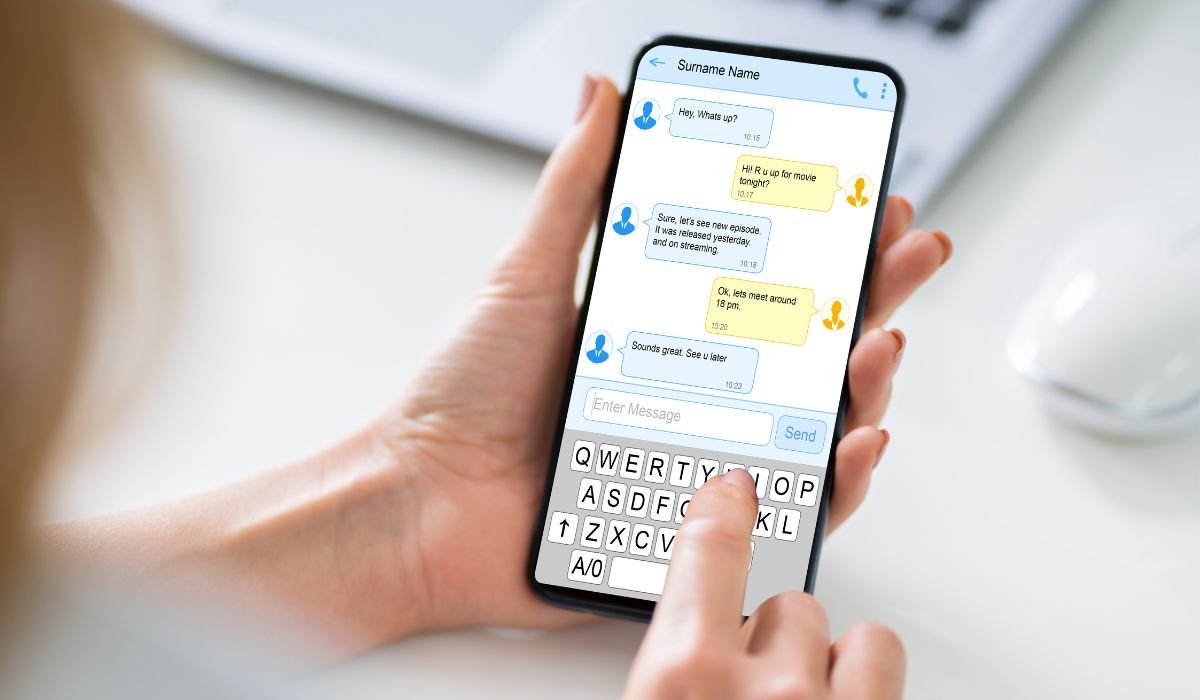
Keyboard lag on Android happens when the keyboard takes a few seconds to respond after tapping a key. This can be incredibly frustrating, especially when you’re trying to type quickly.
When the keyboard doesn’t respond instantly, it can slow down your productivity, making even simple tasks feel time-consuming.
This issue affects many Android users and is a common complaint across different devices. Understanding why it happens is the first step toward fixing it.
Common Causes of Keyboard Lag on Android
- Low RAM and System Resources: When too many apps are running in the background, your Android device’s RAM gets stretched thin. This can cause the keyboard to respond slowly since there aren’t enough resources to handle every task smoothly.
- Outdated Keyboard App: If you’re using an outdated version of your keyboard app, it can lead to performance issues. App updates often fix bugs and improve efficiency, so using an old version may cause unnecessary lag.
- Heavy Keyboard Features: Advanced features like auto-correct, swipe typing, and custom themes can be resource-heavy. While they enhance user experience, they also take up more memory and processing power, slowing down your keyboard.
- Cache Build-Up: Over time, the keyboard app stores temporary files, or cache, which can pile up and cause lag. Clearing this cache periodically helps free up space and boost performance.
- Background Processes: Heavy background apps can consume a lot of CPU power, leaving less for the keyboard. This results in slower input response times, especially when switching between tasks.
- Buggy Android OS Update: Sometimes, a new Android update can introduce bugs that impact keyboard performance. If you notice lag after an update, it could be due to these bugs, which might require a patch from the OS developers.
- Third-Party Keyboard Issues: Not all third-party keyboards are optimized for every Android device. Some may cause lag due to compatibility issues or poor optimization, making them slower to respond compared to native keyboards.
Also read: Disable YouTube Shorts on Android: A Simple Guide
How to Fix Android Keyboard Lag
1. Clear Keyboard App Cache and Data
According to Fixing-Mostly – Android keyboard lagging can be fixed in most cases when you clear keyboard app cache and data. To clear the cache, go to Settings > Apps > Keyboard App > Storage > Clear Cache. This removes temporary files that may be slowing down your keyboard. If the issue persists, clear the data as well, but remember this will reset any saved preferences.
2. Update Your Keyboard App
To check for updates, open the Play Store, search for your keyboard app, and tap Update if available. Keeping your app up to date ensures you benefit from performance improvements and bug fixes.
3. Free Up RAM
Close background apps by accessing Recent Apps and swiping them away. You can also use apps like Device Care or Task Manager to manage memory usage more effectively. Less background activity means more resources for your keyboard.
4. Disable Unnecessary Keyboard Features
Turn off features you don’t use, such as swipe typing, GIF suggestions, or auto-correct. Go to the keyboard settings and disable these options to reduce the strain on system resources.
5. Switch to a Lightweight Keyboard
If your current keyboard is still lagging, consider switching to a lightweight alternative like Gboard or SwiftKey. These apps offer streamlined performance without sacrificing essential features.
6. Restart Your Device Regularly
Restarting your phone can clear background processes and refresh system resources. A quick restart every few days can prevent lag buildup and keep your device running smoothly.
7. Reinstall the Keyboard App
Uninstall your keyboard app by going to Settings > Apps > Keyboard App > Uninstall. Then reinstall it from the Play Store for a clean, fresh start. This can resolve any bugs or corrupted files causing lag.
8. Check for Android OS Updates
An outdated OS can lead to compatibility issues. Go to Settings > Software Update to check for and install the latest Android update. Updated software often includes patches for performance problems.
8. Factory Reset (As a Last Resort)
If nothing else works, consider a factory reset. This will wipe all data, so make sure to back up important files. Go to Settings > System > Reset > Factory Data Reset. This is a last resort when all other fixes have failed.
Advanced Tips for Reducing Keyboard Lag
- Use a Performance-Boosting App: Install performance-boosting apps like Greenify or CCleaner to manage background processes and clear junk files. These apps automatically hibernate unnecessary background apps, freeing up system resources for smoother keyboard performance.
- Turn Off Keyboard Vibration and Sound: Go to your keyboard settings and disable Haptic Feedback (vibration) and Sound on Keypress. These features consume extra power and can slightly slow down keyboard response, especially on older devices.
- Limit Background Syncing: Reduce the number of apps that sync data in the background by heading to Settings > Accounts > Google (or any app) and turning off unnecessary sync options. Fewer background syncs free up resources for the keyboard and improve overall performance.
- Adjust Animation Settings: Reducing or turning off animations can make your device feel faster, including keyboard input. Go to Developer Options (enable it by tapping “Build number” in Settings > About Phone seven times) and set Window Animation Scale, Transition Animation Scale, and Animator Duration Scale to 0.5x or 0x.
- Use a Custom ROM (For Advanced Users): If you’re tech-savvy, installing a lightweight custom ROM like LineageOS can optimize your device’s performance by removing bloatware and streamlining system processes. This can drastically reduce keyboard lag for users who know how to flash ROMs.
- Monitor CPU and RAM Usage: Use an app like CPU-Z or System Monitor to check CPU and RAM usage in real-time. Identifying resource-hungry apps lets you manage and close them, freeing up more power for the keyboard.
- Disable or Limit Widgets and Live Wallpapers: Widgets and live wallpapers consume processing power, even when not in use. Limit their use or disable them to free up resources for faster keyboard input.
These advanced tips offer more in-depth solutions for users who experience persistent keyboard lag, ensuring the device runs efficiently even with heavy use.
Also read: Gmail Notifications Not Working on Android: How to Fix
Preventing Future Keyboard Lag
- Regularly Clear Cache: Make it a habit to clear your keyboard app’s cache every few weeks. This helps prevent the build-up of temporary files that can slow down your keyboard over time.
- Keep Apps and OS Updated: Always update your keyboard app and Android OS when updates are available. Updates often come with performance enhancements and bug fixes that can prevent lag.
- Limit Resource-Heavy Apps: Avoid installing too many apps, especially those that run in the background and consume resources. The fewer apps that compete for memory, the smoother your keyboard will run.
- Use Lightweight Keyboards: Consider sticking with lightweight keyboard apps that offer essential features without overloading your system. Regularly assess if your current keyboard is causing performance issues.
- Restart Your Phone Periodically: A simple restart every few days can refresh system memory and clear background processes, preventing potential lags from building up.
- Monitor System Performance: Use a performance-monitoring app to track how much RAM and CPU your apps are using. Keeping an eye on resource consumption helps you identify any apps that could slow down your device, including the keyboard.
- Avoid Unnecessary Features: Only enable the keyboard features you actually use. Turning off unused options like advanced auto-correct or gesture typing will help maintain smooth keyboard performance.
By following these tips, you can reduce the chances of experiencing keyboard lag in the future, ensuring a smoother and faster typing experience.
Conclusion
Keyboard lag can be caused by several factors, including low RAM, outdated apps, cache build-up, and background processes. Fortunately, the solutions are simple and effective. Clearing your keyboard app’s cache, updating to the latest version, freeing up RAM, and disabling unnecessary features are just a few ways to enhance performance.
By following these step-by-step fixes, most users can quickly resolve the issue without needing professional help. With regular maintenance, your keyboard should respond smoothly, improving both productivity and user experience.
FAQs
1. Why does my Android keyboard lag?
Android keyboard lag can happen due to low RAM, too many background apps, an outdated keyboard app, or a cache build-up. These factors reduce system performance, causing the keyboard to respond slowly.
2. How do I clear the cache of my Android keyboard?
To clear the cache, go to Settings > Apps > Keyboard App > Storage > Clear Cache. This helps remove temporary files that could be slowing down your keyboard.
3. Will updating my keyboard app fix the lag?
Yes, updating your keyboard app can often fix performance issues. Updates usually come with bug fixes and performance improvements, which can help reduce lag.
4. Should I uninstall my current keyboard app if it keeps lagging?
If the lag persists after clearing the cache and updating, try uninstalling and reinstalling the app. This can resolve bugs or corrupted files causing the lag.
5. Can switching to a lightweight keyboard improve performance?
Yes, switching to a lightweight keyboard, like Gboard or SwiftKey, can improve performance, especially if your current keyboard is resource-heavy. Lightweight keyboards consume fewer resources, reducing lag.