
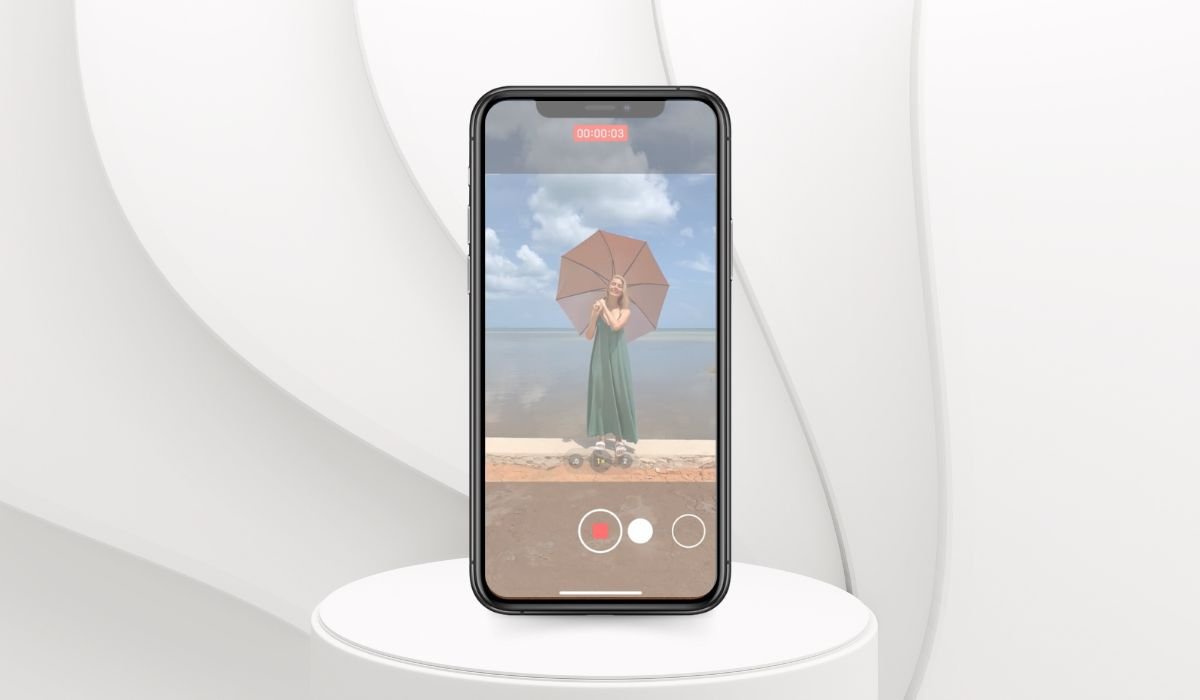
Blurry videos between iPhone and Android are a common frustration. When sending videos, the quality often drops, leaving the recipient with a fuzzy and unclear image.
This happens because iPhones and Androids handle media differently. iPhones use iMessage, which keeps the video quality intact, while Androids rely on MMS, a method that compresses the video and reduces its resolution.
Thankfully, there are ways to fix this issue. By using alternative sharing methods or adjusting certain settings, you can ensure videos remain clear, even when moving between these two platforms.
Can I Fix Blurry Videos Sent from iPhone to Android?
Yes, you can fix blurry videos sent from iPhone to Android by using file-sharing apps, cloud storage links, or third-party messaging apps like WhatsApp or Telegram. These methods maintain the original video quality, unlike traditional MMS, which compresses and degrades the video.
Why Videos Become Blurry When Sent from iPhone to Android
When videos are sent from iPhone to Android, the issue often starts with the messaging system. iPhones use iMessage, which allows high-quality media sharing between Apple devices. However, when sending to Android, the video gets sent as MMS, which drastically compresses the file.
File compression is another culprit. iPhones and Androids use different methods to reduce file sizes for easier transmission. Unfortunately, this often means lower quality when viewed on the recipient’s device.
Lastly, the resolution differences between devices also play a role. Videos may lose quality because the screen resolution or processing capabilities differ between iPhones and Androids, leading to degraded visuals.
Fixes You Can Try Before Sending Videos
1. Use a File-Sharing App
One of the easiest ways to maintain video quality is by using a file-sharing app. Apps like Google Drive, Dropbox, or WeTransfer let you upload videos and send links without compressing the file.
Here’s how:
- Open the file-sharing app and upload the video.
- Once the upload is complete, generate a shareable link.
- Send the link to the recipient via text, email, or any messaging app.
This method ensures the recipient gets the video in its original resolution.
2. Send Videos via Email
Another option is to send the video via email. Email attachments generally retain more quality than MMS. However, you need to keep an eye on file size limits, which are usually around 25MB for most email providers.
To avoid exceeding the limit:
- Compress the video lightly before attaching.
- Consider sending larger files through cloud services integrated with email, like Google Drive for Gmail.
3. Use Cloud Storage Links
If you have your videos stored in iCloud or Google Photos, sharing a link from these platforms ensures the highest quality. This way, the video stays in its original resolution, and the recipient can stream or download it directly.
Here’s how:
- In iCloud or Google Photos, select the video.
- Tap the share icon and choose the option to generate a link.
- Send the link to the Android user via messaging or email.
This keeps the video crisp and clear, without risking the loss of quality during transfer.
Fixes You Can Try After Receiving Blurry Videos
1. Download the Video in High Quality
If you’ve received a blurry video, the best fix is to request the original file. MMS and text messages compress videos, but by asking the sender to upload the video to a file-sharing platform or email it, you can receive the full-resolution version.
Steps to request the original file:
- Ask the sender to upload the video to Google Drive, iCloud, or another file-sharing service.
- Once uploaded, they can share a download link with you.
- Download the video directly from the link to maintain its quality.
This method bypasses the compression used by messaging apps.
2. Adjust Settings in Messaging Apps
For those who frequently send or receive videos via messaging apps like WhatsApp or Telegram, adjusting app settings can help preserve video quality.
Android users can tweak settings as follows:
- Open the app’s settings.
- Navigate to Storage and Data or Media Settings.
- Enable the option to receive media in the highest quality possible.
For iPhone users, it’s important to change compression settings before sending:
- In the messaging app, go to Settings.
- Look for media or video quality settings.
- Set the video quality to high or original.
These adjustments help reduce the loss of quality when sharing videos between iPhone and Android devices.
Advanced Solutions to Avoid Blurry Videos
1. Use Third-Party Messaging Apps
Apps like WhatsApp, Signal, and Telegram are far superior for sharing videos across platforms. Unlike traditional MMS, which heavily compresses media, these apps use their own servers to handle file transfers, allowing for higher quality video sharing.
How it works:
- These apps apply lighter compression, ensuring videos maintain much of their original resolution.
- Videos sent via WhatsApp, Signal, or Telegram are less likely to appear blurry, even when shared between iPhone and Android.
2. Switch to RCS Messaging
For Android users, Rich Communication Services (RCS) offers a significant improvement over traditional SMS/MMS. RCS allows for higher quality media transfers, similar to iMessage on iPhones.
How to enable RCS on Android:
- Open the default Messages app.
- Go to Settings and look for the Chat features option.
- Enable RCS messaging if available.
For iPhone users, although Apple doesn’t currently support RCS, using apps like WhatsApp or other alternatives allows for similar quality improvements when sending media to Android.
3. Compress Videos Manually
If you want more control over the quality of videos you send, manually compressing them using tools like Handbrake or VLC Media Player is a great solution. These tools allow you to reduce file size without sacrificing much quality.
Here’s a step-by-step guide for iPhone users:
- Transfer the video from your iPhone to a computer using AirDrop or iCloud.
- Open Handbrake or VLC Media Player and import the video.
- Select a high-quality compression setting to maintain resolution.
- Compress the video and transfer it back to your iPhone for sharing.
This ensures that the video remains clear while reducing its size for easier sharing.
Common Mistakes to Avoid
1. Sending Videos via MMS or Traditional SMS Apps
One of the biggest mistakes is sending videos through MMS or SMS. These methods apply heavy compression, drastically reducing video quality. Always opt for apps like WhatsApp, Telegram, or file-sharing services instead.
2. Relying on Bluetooth or Other Low-Quality Transfer Methods
While Bluetooth might seem convenient, it’s notorious for low-quality file transfers. The transfer speed is slow, and it often reduces the video resolution, making it blurry upon receipt.
3. Ignoring File Size Limits or Quality Settings
Another common error is not paying attention to file size limits or quality settings before sending. Some apps have size restrictions or may default to lower-quality settings. Always adjust the settings to ensure the video is sent in high quality.
Conclusion
To fix blurry videos sent from iPhone to Android, the most effective methods include using file-sharing apps, cloud storage links, and third-party messaging apps like WhatsApp or Telegram. These options preserve video quality far better than MMS or SMS.
It’s important to try different solutions until you find the one that works best for your devices. Whether it’s manually compressing the video, adjusting app settings, or switching to RCS messaging, there are plenty of ways to avoid blurry results.
Finally, always be mindful of the file size limits and video quality settings when sharing across platforms. These simple adjustments can help maintain the clarity of your videos and enhance the sharing experience.
FAQs
1. Why do videos get blurry when sent from iPhone to Android?
Videos become blurry due to differences in how iPhone and Android handle media. iPhones use iMessage for high-quality sharing, but when sent to Android, videos are compressed via MMS, reducing their quality.
2. What’s the best way to send videos from iPhone to Android without losing quality?
Using a file-sharing app like Google Drive, Dropbox, or WeTransfer ensures the video retains its original quality. Alternatively, sending a cloud storage link works well too.
3. Can I improve video quality on messaging apps like WhatsApp?
Yes, both iPhone and Android users can adjust the settings in apps like WhatsApp and Telegram to receive and send videos in higher quality by tweaking media and storage settings.
4. Does RCS messaging improve video quality between iPhone and Android?
RCS messaging improves media transfer quality on Android devices. However, iPhones don’t support RCS, so using third-party apps like WhatsApp is a better option for cross-platform sharing.
5. Can I manually compress a video without losing quality?
Yes, tools like Handbrake or VLC Media Player allow you to compress videos while retaining high quality. This is a great option if you need to reduce file size before sending.