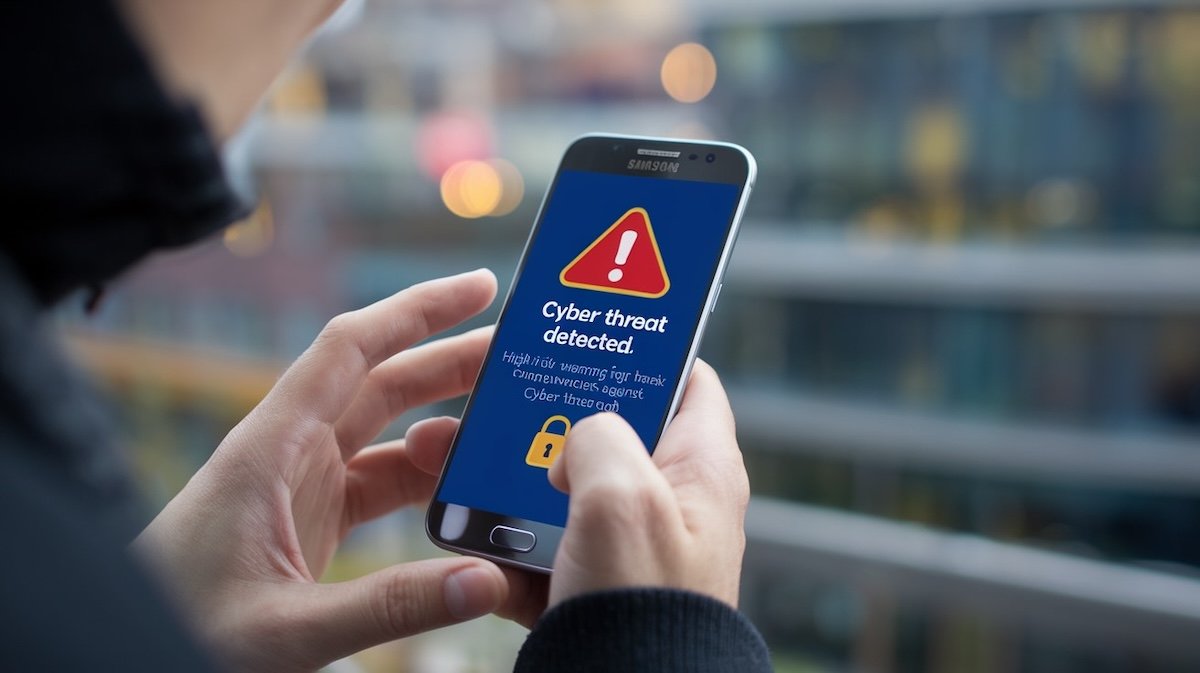

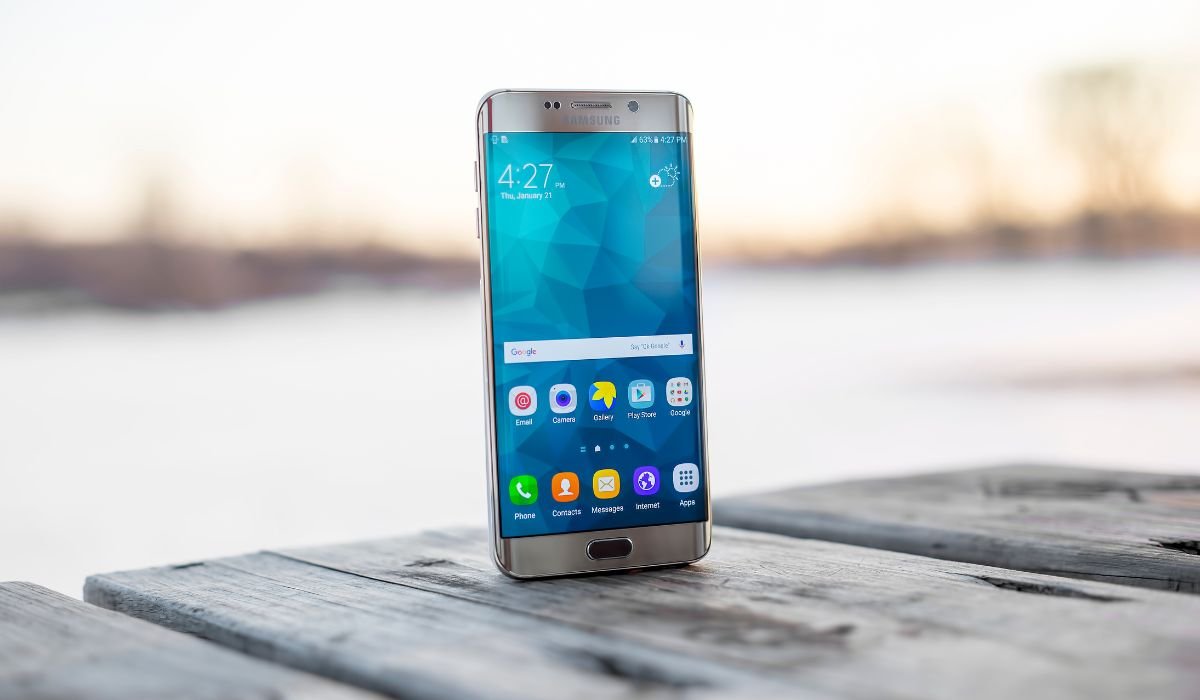
Android devices have become an integral part of our daily lives, storing sensitive information and connecting us to the digital world. However, open ports on these devices can pose significant security risks. This guide will walk you through the process of identifying and closing open ports on your Android device, ensuring better protection against potential cyber threats.
Key Takeaways
- Open ports on Android devices can be vulnerable to security breaches
- Regular port scanning and management are crucial for device security
- Built-in Android settings and third-party apps can help close open ports
- VPNs and firewalls provide additional layers of protection
- Keeping your Android device updated is essential for security
Understanding Open Ports on Android
Before diving into the methods of closing open ports, it’s important to understand what they are and why they matter. Ports are virtual points where network connections start and end. When a port is open, it means that the device is listening for incoming connections on that port. While some open ports are necessary for certain apps and services to function, unnecessary open ports can be exploited by hackers to gain unauthorized access to your device.
Identifying Open Ports on Your Android Device
The first step in securing your Android device is to identify which ports are currently open. Here are a few methods to do this:
1. Using Built-in Android Settings
Android 14 and later versions offer enhanced network security features. To check your device’s open ports:
- Go to Settings > Network & Internet > Internet
- Tap on the gear icon next to your current Wi-Fi network
- Scroll down and tap on “View network details”
- Look for “Open ports” in the list of network information
2. Using Third-Party Port Scanner Apps
Several apps on the Google Play Store can scan your device for open ports. Some popular options include:
- Angry Port Scanner
- PortDroid
- Fing
- Net Analyzer
- Port Authority
These apps provide detailed information about open ports and the services using them.
Closing Open Ports on Android
Once you’ve identified the open ports on your device, you can take steps to close unnecessary ones. Here are several methods to achieve this:
1. Disabling Unused Apps and Services
Many open ports are associated with specific apps or services. To close these ports:
- Go to Settings > Apps & notifications
- Review the list of installed apps
- Tap on apps you don’t use or recognize
- Select “Disable” or “Force stop” to prevent them from running
2. Using Android’s Built-in Firewall
Android devices come with a built-in firewall that can help manage open ports:
- Go to Settings > Network & Internet > Advanced > Firewall
- Enable the firewall if it’s not already active
- Tap on “App network access” to control which apps can access the internet
3. Configuring Network Settings
Some network settings can affect open ports. To optimize these:
- Go to Settings > Network & Internet > Wi-Fi
- Tap on the gear icon next to your connected network
- Select “Advanced options”
- Disable “Auto-connect” for public networks
- Enable “Use randomized MAC” for enhanced privacy
4. Using a VPN
A Virtual Private Network (VPN) can add an extra layer of security by masking your device’s IP address and encrypting your internet traffic. To set up a VPN:
- Choose a reputable VPN service
- Download the VPN app from the Google Play Store
- Follow the app’s instructions to connect to a VPN server
5. Installing a Third-Party Firewall App
For more granular control over your device’s network connections, consider using a third-party firewall app. Some popular options include:
- NetGuard
- AFWall+
- NoRoot Firewall
These apps allow you to block specific apps from accessing the internet or only allow them to connect through Wi-Fi or mobile data.
Best Practices for Port Security on Android
To maintain the security of your Android device, consider these best practices:
- Regular Security Audits • Perform port scans periodically • Review app permissions monthly • Keep your device and apps updated
- Use Trusted Apps Only • Download apps only from official sources like the Google Play Store • Read app reviews and check developer credibility before installing
- Enable Google Play Protect • Go to Google Play Store > Menu > Play Protect • Ensure “Scan apps with Play Protect” is turned on
- Use a VPN • A VPN can add an extra layer of security when using public Wi-Fi • Choose a reputable VPN service with strong encryption
- Be Cautious with Public Wi-Fi • Avoid accessing sensitive information on public networks • Use a firewall app to control network access when on public Wi-Fi
Troubleshooting Common Issues
- App malfunctions: Temporarily allow app through firewall/VPN
- Persistent open port: Check if used by system service
- VPN connection problems: Switch servers or contact provider support
- Firewall conflicts: Use single, reliable firewall app
- Battery drain: Optimize VPN/firewall settings for efficiency
- Slow internet: Adjust firewall rules or VPN server location
- App updates failing: Temporarily disable firewall for updates
- Mobile data issues: Review firewall settings for cellular connections
- Bluetooth connectivity problems: Check port settings for Bluetooth
- Wi-Fi dropouts: Ensure firewall isn’t blocking Wi-Fi connections
Advanced Port Security Techniques
- ADB commands: Use terminal for granular port control (root required)
- Custom ROMs: Install security-focused Android distributions like GrapheneOS
- Network monitoring: Analyze traffic with tools like Wireshark (root needed)
- Port knocking: Configure specific port sequences to unlock others
- SSH tunneling: Secure remote access and port forwarding
- Intrusion detection systems: Install apps to monitor for suspicious activity
- MAC address randomization: Enable for enhanced network privacy
- DNS-over-HTTPS: Encrypt DNS queries for improved security
- Tor network: Route traffic through Tor for anonymity
- Container solutions: Isolate apps in separate environments (e.g., Island app)