
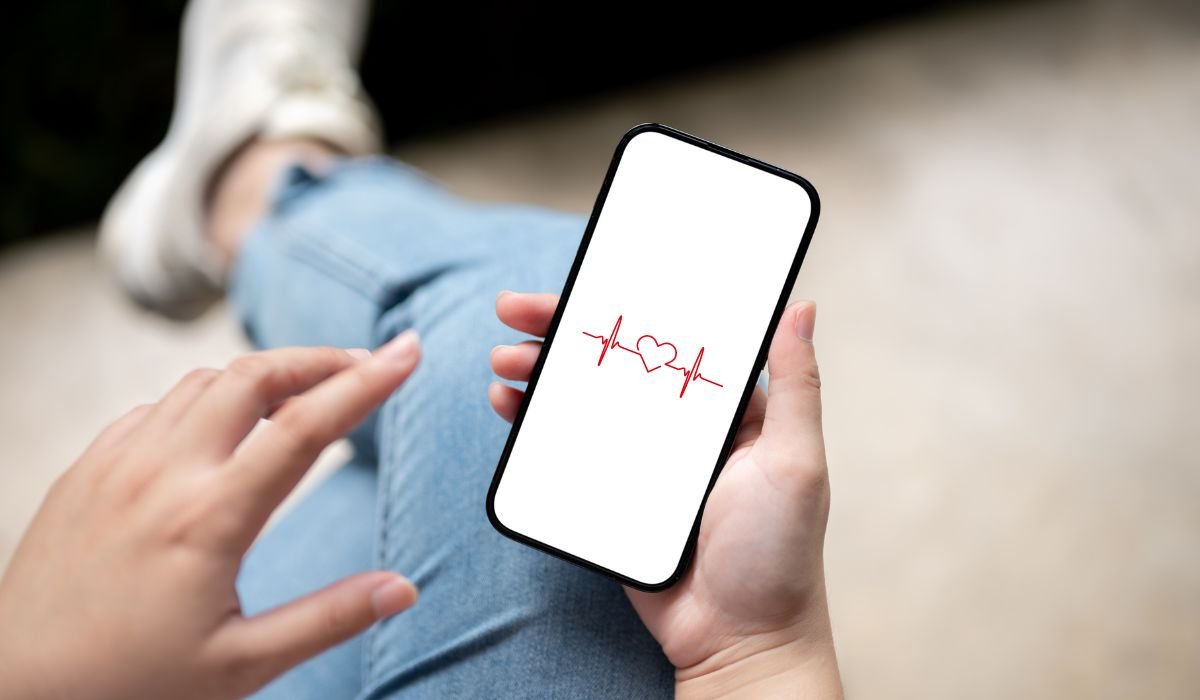
Hearing your baby’s heartbeat for the first time is a magical experience that many expectant parents eagerly anticipate. While regular prenatal check-ups provide this opportunity, the desire to listen to your little one’s heartbeat at home is understandable. With advancements in mobile technology, it’s now possible to attempt this using your Android smartphone.
Several popular Android apps claim to offer fetal heartbeat monitoring, including HeraBEAT, FetalCare, ScanBaby, Baby Heart Beat, TinyBeat, E-Stethoscope & Auscultation, and Pregnancy Tracker. These apps aim to provide expectant parents with a way to connect with their baby between medical appointments.
Key Takeaways
- Home heartbeat monitoring should not replace professional medical care
- Several Android apps claim to detect fetal heartbeats, but their accuracy is questionable
- Safety and proper use of at-home monitoring tools are crucial
- Understanding the limitations and risks of DIY heartbeat monitoring is essential
- Regular prenatal check-ups remain the most reliable method for monitoring fetal health
Can I Hear Baby Heartbeat at Home with Android?
While some Android apps claim to detect baby heartbeats, they’re not reliable or medically approved. It’s best to rely on professional care for accurate monitoring. Instead, focus on tracking fetal movements and attending regular prenatal check-ups. If you’re concerned, always contact your healthcare provider for proper assessment and reassurance.
Understanding Baby Heartbeat Monitoring
Fetal heartbeat monitoring is a crucial aspect of prenatal care. Typically, healthcare providers use specialized equipment like dopplers or ultrasound machines to detect and monitor the baby’s heartbeat. These professional tools are designed to provide accurate readings and are operated by trained individuals.
Tools and Apps You Will Need
To attempt hearing your baby’s heartbeat at home using an Android device, you might consider the following options:
- Doppler devices: Handheld dopplers designed for home use
- Smartphone microphone: Your Android phone’s built-in microphone
- Mobile apps: Specialized applications available on the Google Play Store
Some popular Android apps for fetal heartbeat monitoring include:
- HeraBEAT
- FetalCare
- ScanBaby
- Baby Heart Beat
- TinyBeat
- E-Stethoscope & Auscultation
- Pregnancy Tracker
It’s important to note that while these apps are available, their effectiveness and accuracy are often questioned by medical professionals.
Step-by-Step Guide to Hear Your Baby’s Heartbeat
Preparation
Before attempting to listen to your baby’s heartbeat:
- Choose a quiet room with minimal background noise
- Ensure your Android device is fully charged
- Have a comfortable place to lie down
- Apply a water-based gel or lotion to your belly (if using a doppler device)
1. Using a Doppler Device
If you’ve purchased a home doppler device:
- Turn on the device and apply gel to the probe
- Gently move the probe across your lower abdomen
- Listen carefully for a fast, rhythmic sound (140-160 beats per minute)
- Be patient, as finding the heartbeat can take time
2. Using a Smartphone Microphone
To try using your Android phone’s microphone:
- Download a sound amplification app
- Place your phone’s microphone against your belly
- Move it slowly, listening for any rhythmic sounds
- Be aware that this method is less reliable than a doppler
3. Using Mobile Apps
If you’re using a specialized fetal heartbeat app:
- Download and install the app from the Google Play Store
- Follow the app’s specific instructions for use
- Place your phone as directed on your abdomen
- Use any additional features the app may offer, like recording or tracking
4. Using a Fetal Doppler at Home
- Apply ultrasound gel to your lower abdomen
- Turn on the device and place it on your belly
- Move slowly until you detect the heartbeat
- Adjust the volume as needed
- Record the heart rate if your device allows
Safety and Accuracy Tips
When attempting to hear your baby’s heartbeat at home:
- Don’t rely solely on at-home monitoring for reassurance about your baby’s well-being
- Avoid using these methods excessively, as prolonged exposure to ultrasound waves may have unknown effects
- Remember that failure to find a heartbeat doesn’t necessarily indicate a problem
- Always consult your healthcare provider if you have concerns about your baby’s health
Pros and Cons of At-Home Baby Heartbeat Monitoring
Pros:
- Reassurance between prenatal visits
- Bonding opportunity for family members
- Unique experience for expectant parents
- Fun way to track pregnancy progress
Cons:
- May cause unnecessary anxiety
- Difficulty distinguishing sounds
- Overreliance on non-medical equipment
- Risk of misinterpretation or false reassurance
The Importance of Fetal Movement Monitoring
While hearing your baby’s heartbeat can be reassuring, monitoring fetal movements is often a more reliable indicator of your baby’s well-being.
How to Track Fetal Movements
- Choose a time when your baby is usually active
- Lie down or sit comfortably
- Note the time it takes to feel 10 movements
- Repeat daily and look for patterns
When to Seek Medical Attention
Contact your healthcare provider immediately if you notice:
- A significant decrease in fetal movement
- No movement for several hours
- Any sudden changes in movement patterns
Frequently Asked Questions (FAQ)
Can I hear my baby’s heartbeat with my phone?
While some apps claim to detect fetal heartbeats using your phone’s microphone, their accuracy is questionable. These apps are not medically approved and should not replace professional care. They may pick up other sounds like your own heartbeat or digestive noises, leading to confusion or false reassurance.
What is the mobile app to check fetal heartbeat?
Several apps on the Google Play Store claim to detect fetal heartbeats, such as HeraBEAT, FetalCare, and Baby Heart Beat. However, it’s crucial to understand that these apps are not medical devices and their reliability is not scientifically proven. Always consult with your healthcare provider for accurate fetal monitoring.
How can I hear my fetal heartbeat at home?
The safest way to attempt hearing your baby’s heartbeat at home is using a fetal doppler device. However, even these can be challenging to use without proper training. Some expectant parents try using their phone’s microphone with amplification apps, but this method is unreliable and not recommended by medical professionals.
Can the baby’s heartbeat be heard over the phone?
It’s highly unlikely to hear a baby’s heartbeat clearly over a phone call. The fetal heartbeat is too faint and fast to be accurately transmitted through standard phone audio. If someone claims to hear it, they’re likely picking up other sounds or experiencing the power of suggestion.
Does the Baby Heartbeat App Really Work?
The effectiveness of baby heartbeat apps is questionable. While they may detect sounds, distinguishing between a fetal heartbeat and other bodily noises is challenging. These apps are not medically approved and can provide false reassurance or unnecessary worry. They should not be relied upon for monitoring fetal health.
Can you hear the baby’s heartbeat when you touch the belly?
It’s not possible to hear a baby’s heartbeat simply by touching the belly. The fetal heartbeat is too faint to be heard without amplification. Even healthcare professionals use specialized equipment like dopplers or stethoscopes to detect it. Any rhythmic sound felt is likely the mother’s pulse or digestive sounds.