
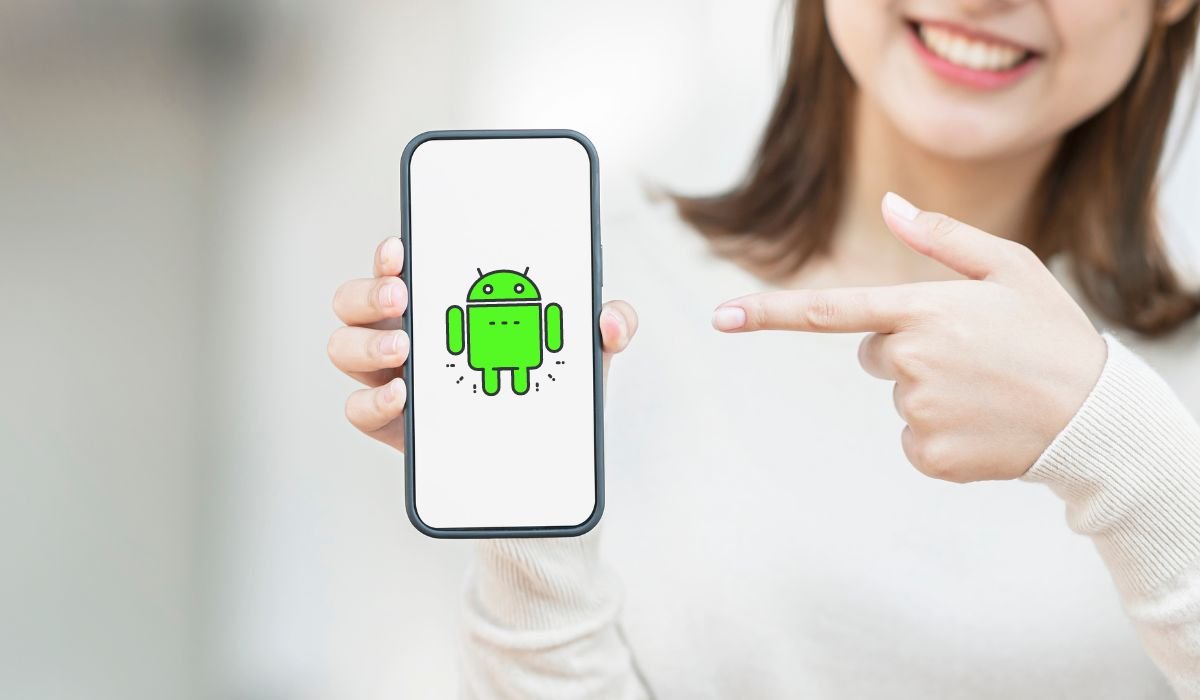
Android phones have become essential in our daily lives, revolutionizing communication, work, and entertainment. These versatile devices offer a wide range of features and capabilities for diverse user needs, from budget-friendly options to high-end flagship models.
The Android operating system (OS), based on the Linux kernel, was initially released on September 23, 2008, by Google. The latest version, Android 14, was released on October 4, 2023. This mobile OS is developed by various companies, with Google being the primary contributor.
Android powers over 3 billion active devices, including 5G phones and stunning tablets. Its versatility and widespread adoption have made it the dominant mobile operating system globally, catering to a vast array of devices and user preferences.
Key Takeaways
- Android phones run on an open-source operating system developed primarily by Google
- They offer extensive customization options and access to millions of apps
- Android devices come in various price ranges, catering to different user needs
- The platform holds a significant market share in the global smartphone industry
- Regular updates bring new features and security enhancements to Android phones
Also read: Where Are Android Phones Made
What is Android?
Android is an open-source mobile operating system based on a modified version of the Linux kernel. Developed primarily by Google, it was first released in 2008 and has since become the most widely used smartphone platform worldwide. The Android OS is designed for touchscreen devices, including smartphones and tablets, and is known for its flexibility and customization options.
How Android Phones Work
Android phones function by utilizing the Android operating system to manage hardware resources and provide a user interface. When you turn on an Android phone, the bootloader initializes the system, loading the Linux kernel and starting essential processes. The Android runtime then launches, allowing apps to run and interact with the device’s hardware through the application framework.
User Interface and Interaction
Android phones typically feature a touchscreen interface, allowing users to interact with the device through taps, swipes, and gestures. The home screen displays app icons, widgets, and folders, which users can customize to their liking. The notification panel, accessible by swiping down from the top of the screen, provides quick access to settings and alerts from various apps.
Android Architecture Layers
- Linux Kernel
- Hardware Abstraction Layer (HAL)
- Android Runtime
- Native C/C++ Libraries
- Java API Framework
- System Apps
Also read: How Much Does It Cost to Get an Android Phone Screen Fixed
Key Features of Android Phones
Android phones offer a wide range of features that make them popular among users worldwide. Here are some of the key attributes:
1. Customizable User Interface
Android allows users to personalize their home screens with widgets, custom launchers, and themes. This flexibility enables users to tailor their phone’s look and feel to their preferences.
2. Google Play Store
The official app store for Android devices offers millions of apps, games, books, and multimedia content. Users can easily download and install apps to extend their phone’s functionality.
3. Google Services Integration
Android phones come pre-installed with various Google services like Gmail, Google Maps, Google Drive, and Google Photos, offering seamless integration and synchronization across devices.
4. Multi-tasking
Android’s robust multitasking capabilities allow users to run multiple apps simultaneously and switch between them easily. Some devices even support split-screen mode for enhanced productivity.
5. Advanced Camera Features
Many Android phones boast sophisticated camera systems with multiple lenses and AI-enhanced photography modes. These features enable users to capture high-quality photos and videos in various conditions.
6. Voice Assistant
Google Assistant, the AI-powered voice assistant, is integrated into most Android phones. It can perform tasks, answer questions, and control smart home devices through voice commands.
7. Security Features
Android phones come with built-in security features like biometric authentication (fingerprint and face recognition), encryption, and regular security updates to protect user data.
Latest Android Version
The latest stable version of Android is Android 14, released on October 4, 2023. This version brings several improvements and new features, including:
- Enhanced privacy and security controls
- Improved battery life optimization
- New customization options for the user interface
- Better support for foldable devices and tablets
- Improved accessibility features
Also read: Why Your Android Phone Camera Is Blurry? Causes and Solutions
Types of Android Phones
Android phones come in various types, catering to different user needs and preferences. Here’s a table outlining the main categories:
| Type | Description | Target Audience |
|---|---|---|
| Flagship | High-end devices with cutting-edge features | Tech enthusiasts, professionals |
| Mid-range | Balanced performance and affordability | Average consumers |
| Budget | Affordable options with basic features | Cost-conscious users, first-time smartphone buyers |
| Rugged | Durable devices for harsh environments | Outdoor enthusiasts, industrial workers |
| Gaming | Optimized for mobile gaming performance | Mobile gamers |
| Camera-focused | Emphasis on photography capabilities | Photography enthusiasts |
Advantages of Using Android Phones
Android phones offer several benefits that contribute to their popularity:
- Affordability: Android phones are available at various price points, making smartphones accessible to a broader audience.
- Customization: Users can tailor their Android experience to their preferences, from the look of the interface to the choice of default apps.
- Innovation: The open-source nature of Android encourages rapid innovation and feature development.
- Integration with Google services: Seamless connectivity with popular Google apps and services enhances productivity and user experience.
- Regular updates: Android receives frequent updates, bringing new features and security enhancements to devices.
Disadvantages of Android Phones
While Android phones offer many advantages, they also have some drawbacks:
- Fragmentation: The wide variety of Android devices can lead to inconsistent user experiences and delayed software updates for some models.
- Security concerns: The open nature of the platform can make it more vulnerable to malware and security threats compared to more closed ecosystems.
- Bloatware: Some manufacturers pre-install unnecessary apps, which can take up storage space and potentially slow down the device.
- Battery life: The customizable nature of Android can sometimes lead to higher battery consumption, especially with power-hungry apps running in the background.
- Privacy issues: Some users express concerns about data collection practices associated with Google services integrated into Android.
Popular Android Phone Brands
Several manufacturers produce Android phones, each with its unique features and design philosophies. Here’s a table of some popular Android phone brands and their key characteristics:
| Brand | Key Characteristics |
|---|---|
| Samsung | Premium build quality, feature-rich, innovative designs |
| Pure Android experience, AI-enhanced features | |
| OnePlus | High performance, fast charging, clean software |
| Xiaomi | Affordable options, feature-packed devices |
| Sony | High-quality displays, camera technology |
| Motorola | Reliable budget and mid-range options |
| OPPO | Camera innovations, fast charging technology |
| Vivo | Sleek designs, camera-focused features |
| ASUS | Gaming-oriented devices, unique form factors |
Future of Android Phones
The Android ecosystem is continuously evolving, with new technologies and features being introduced regularly. Here are some trends shaping the future of Android phones:
1. 5G Integration
As 5G networks become more widespread, Android phones are increasingly incorporating 5G capabilities, offering faster data speeds and lower latency.
2. Artificial Intelligence
AI is becoming more prevalent in Android phones, powering features like improved camera processing, voice assistants, and personalized user experiences.
3. Foldable and Flexible Displays
More manufacturers are exploring foldable and flexible display technologies, leading to innovative form factors and use cases.
4. Enhanced Privacy and Security
Future Android versions are expected to focus heavily on improving user privacy and security, with more granular controls and transparency features.
5. Improved Battery Technology
Advancements in battery technology and power management are likely to result in longer-lasting Android phones with faster charging capabilities.
6. Augmented Reality (AR) Integration
AR features are becoming more common in Android phones, with applications in gaming, navigation, and interactive experiences.
7. Sustainability Focus
Many Android phone manufacturers are adopting more sustainable practices, using recycled materials and designing devices for longer lifespans.
Conclusion
Android phones have come a long way since their introduction in 2008, evolving into versatile devices that cater to a wide range of user needs and preferences. With their open-source nature, customizable interfaces, and vast app ecosystem, Android phones continue to dominate the global smartphone market.
As technology advances, we can expect Android phones to become even more powerful, efficient, and feature-rich. From AI-driven experiences to foldable designs and enhanced privacy controls, the future of Android phones looks promising and exciting.
Whether you’re a tech enthusiast, a casual user, or someone looking for an affordable smartphone option, there’s likely an Android phone that fits your requirements. As the Android ecosystem continues to grow and innovate, users can look forward to even more choices and capabilities in the coming years.
Frequently Asked Questions (FAQ)
What defines an Android phone?
An Android phone is a smartphone that runs on the Android operating system developed by Google. It’s characterized by its open-source nature, customizable interface, and access to the Google Play Store for apps. Android phones come in various brands, sizes, and price points, offering diverse options for users.
What is the difference between a smartphone and an Android phone?
A smartphone is a broad category of mobile devices with advanced computing capabilities. An Android phone is a specific type of smartphone that uses the Android operating system. While all Android phones are smartphones, not all smartphones are Android phones. Other smartphones might use different operating systems like iOS or HarmonyOS.
What is better, Android or iPhone?
The choice between Android and iPhone depends on personal preferences. Android offers more customization, diverse hardware options, and often lower prices. iPhones provide a seamless ecosystem, consistent updates, and strong privacy features. Both platforms have strengths, so the “better” choice varies based on individual needs and preferences.
Why is it called Android phone?
The name “Android” was chosen by its original developers before Google’s acquisition. It’s derived from the word “android,” meaning a robot with human appearance. The name reflects the system’s ability to power smart devices that assist humans, much like fictional androids. The logo, a green robot, further reinforces this connection.
What does Android mean?
Android, in the context of phones, refers to the operating system developed by Google. The word itself originates from Greek, where “andro-” means “man” and “-oid” means “form or likeness.” In technology, it represents a smart, adaptable system that enhances mobile devices with human-like assistance capabilities.