
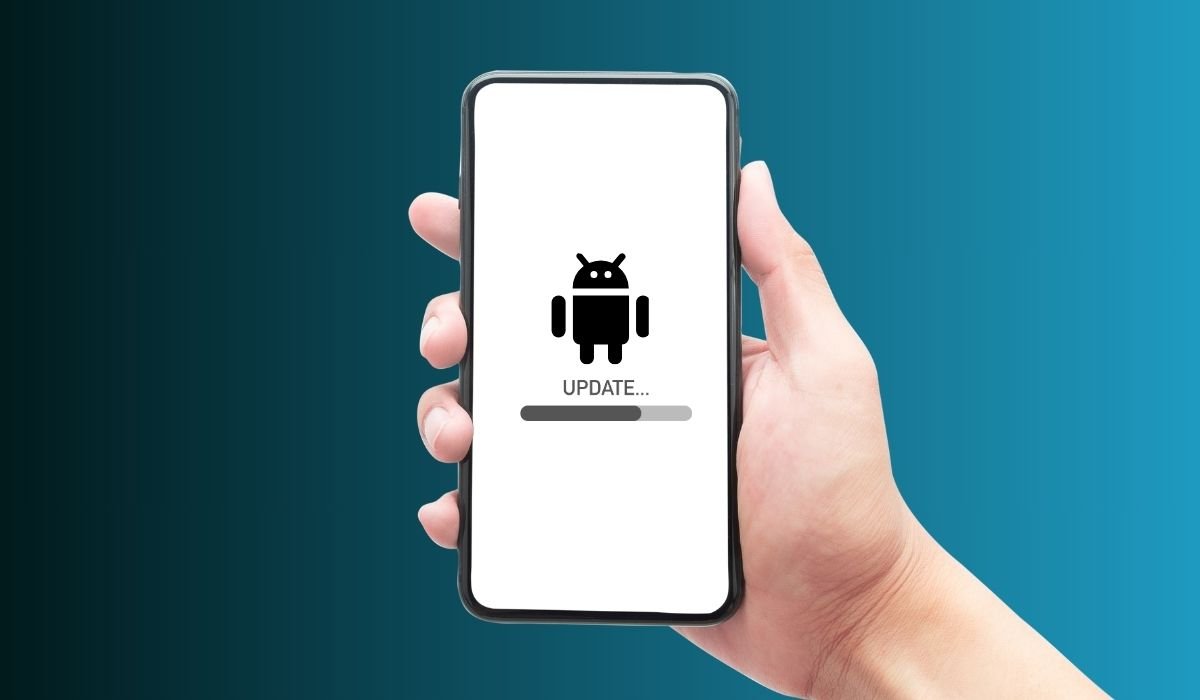
Updating your Android OS is a crucial step in maintaining your device’s performance, security, and functionality. Regular updates not only introduce new features but also patch vulnerabilities, ensuring your smartphone or tablet remains protected against potential threats.
This guide will walk you through the process of updating your Android operating system, from preparation to troubleshooting. Whether you’re using a Samsung, Google Pixel, or any other Android device, you’ll find the information you need to keep your system current.
By following these steps, you’ll be able to enjoy the latest Android improvements, enhanced app compatibility, and a smoother user experience. Let’s dive into the world of Android updates and keep your device at its best.
Key Takeaways
- Regular updates improve device security and performance
- Always back up your data before updating
- Connect to a stable Wi-Fi network for downloading updates
- Ensure your device has sufficient battery life or keep it plugged in
- Follow manufacturer-specific instructions for your device
- Be patient during the update process
Understanding Android OS Updates
Android updates come in different forms:
| Update Type | Description |
|---|---|
| Major Version Updates | Significant changes to the OS, often yearly (e.g., Android 13 to Android 14) |
| Security Patches | Monthly updates addressing security vulnerabilities |
| Google Play System Updates | Updates to core Android components through Google Play |
Checking for Updates
Before initiating an update, check if one is available for your device:
- Open your device’s Settings app
- Tap “Security & privacy” or “System & Updates”
- For security updates, tap “Security Update”
- For Google Play system updates, tap “Google Play system update”
- Follow the on-screen instructions
If an update is available, you’ll see options to download and install it. Remember, the exact menu names may vary depending on your device manufacturer and Android version.
Preparing for the Update
Before updating your Android OS, take these essential steps:
Back Up Your Data
It’s always wise to back up your important data before any major system change. Use Google’s built-in backup service or a third-party app to safeguard your contacts, photos, and documents.
Ensure Sufficient Storage
Check that your device has enough free storage space for the update. Go to Settings > Storage to see available space and free up room if necessary.
Connect to Wi-Fi
Updates can be large, so connect to a stable Wi-Fi network to avoid using your mobile data allowance.
Charge Your Device
Ensure your device has at least 50% battery life or, ideally, keep it plugged in throughout the update process.
Performing the Update
Once you’re prepared, follow these steps to update your Android OS:
- Open the Settings app
- Navigate to “System” or “Software Update”
- Tap “Check for Updates”
- If an update is available, tap “Download and Install”
- Follow the on-screen prompts to complete the installation
Your device will restart once the update is installed. This process can take anywhere from a few minutes to an hour, depending on the update size and your device’s speed.
Automatic Updates
To streamline future updates, consider enabling automatic updates:
- Go to Settings > System > Advanced > System Update
- Tap the menu (three dots) in the top-right corner
- Select “Update settings”
- Toggle on “Auto download over Wi-Fi”
This setting ensures your device automatically downloads updates when connected to Wi-Fi, keeping you up-to-date with minimal effort.
Troubleshooting Common Update Issues
Sometimes, you might encounter problems during the update process. Here are some common issues and solutions:
Update Won’t Download
- Check your Wi-Fi connection
- Restart your device and try again
- Clear the cache of Google Services Framework in Settings > Apps > All apps
Update Fails to Install
- Ensure you have enough storage space
- Try rebooting your device and attempting the update again
- If problems persist, consider factory resetting your device (after backing up your data)
Device Slows Down After Update
- Give your device time to optimize apps after the update
- Clear the cache partition through recovery mode (consult your device’s manual for instructions)
Post-Update Tips
After successfully updating your Android OS:
- Check that all your apps are working correctly
- Update your apps through the Google Play Store
- Explore new features introduced in the update
- Adjust any settings that may have changed
- If you experience any issues, consult your device manufacturer’s support resources
Manufacturer-Specific Updates
Different Android device manufacturers may have unique update processes. Here’s a quick overview for some popular brands:
Samsung
Samsung devices often receive updates through Samsung’s own update system. Look for “Software update” in the Settings app.
Google Pixel
Pixel devices typically receive updates first. Check for updates in Settings > System > System update.
OnePlus
OnePlus users can check for updates in Settings > System > System updates.
Always refer to your device manufacturer’s official website or support channels for the most accurate and up-to-date information on updating your specific model.
The Importance of Timely Updates
Regularly updating your Android OS offers numerous benefits:
- Enhanced security features and bug fixes
- Improved performance and battery life
- Access to new features and user interface improvements
- Better compatibility with the latest apps
By staying current with updates, you ensure your device remains secure, efficient, and capable of running the latest applications smoothly.
Frequently Asked Questions (FAQ)
Can I upgrade my Android OS version?
Upgrading your Android OS version depends on your device’s hardware capabilities and manufacturer support. Most devices receive major updates for 2-3 years after release. Check your device settings or manufacturer’s website to see if an upgrade is available for your specific model.
How do I update my version of OS?
To update your Android OS, go to Settings > System > System Update. Tap “Check for updates.” If available, download and install the update. Ensure your device is connected to Wi-Fi and has sufficient battery life. The process may vary slightly depending on your device manufacturer.
Why can’t I update my Android operating system?
Several reasons may prevent updates: insufficient storage space, weak internet connection, or your device no longer being supported. Older devices may not be compatible with newer OS versions. Try clearing space, using a stable Wi-Fi connection, or check if your device is still eligible for updates.
How do I update all my Android?
Updating “all Android” involves both system and app updates. For the OS, follow the update process in Settings. For apps, open Google Play Store, tap your profile icon, select “Manage apps & device,” then “Update all.” This ensures your entire Android ecosystem stays current.
How do I update my OS on my phone?
To update your phone’s OS, open Settings, scroll to “System” or “Software Update,” and tap “Check for updates.” If an update is available, follow the prompts to download and install it. Ensure your phone is charged and connected to Wi-Fi before starting the update process.
How to change OS in Android?
Changing the OS on Android typically means installing a custom ROM. This process requires technical knowledge and can void your warranty. It involves unlocking the bootloader, installing a custom recovery, and flashing the new ROM. Only attempt this if you’re comfortable with advanced Android modifications.