
Why do people like their own Facebook posts? It might seem like a small, even quirky, action, but it’s surprisingly common. Did you know that around 26% of social media users admit to liking their own posts? This behavior raises an interesting question: what motivates someone to give themselves a digital thumbs-up?
This article explores the psychology behind self-liking on Facebook. By understanding why people engage in this seemingly trivial act, we can gain insights into social media dynamics and the subtle ways users seek validation and engagement.
Key Takeaways
- Self-liking on Facebook is often a way to seek self-validation or boost self-esteem.
- The impact of self-liking on a post’s visibility and engagement is minimal, contrary to popular belief.
- Social interpretations of self-liking vary, with some viewing it as confidence and others as insecurity.
- Understanding self-liking behavior offers insights into broader social media dynamics and user motivations.
The Psychology Behind Self-Liking
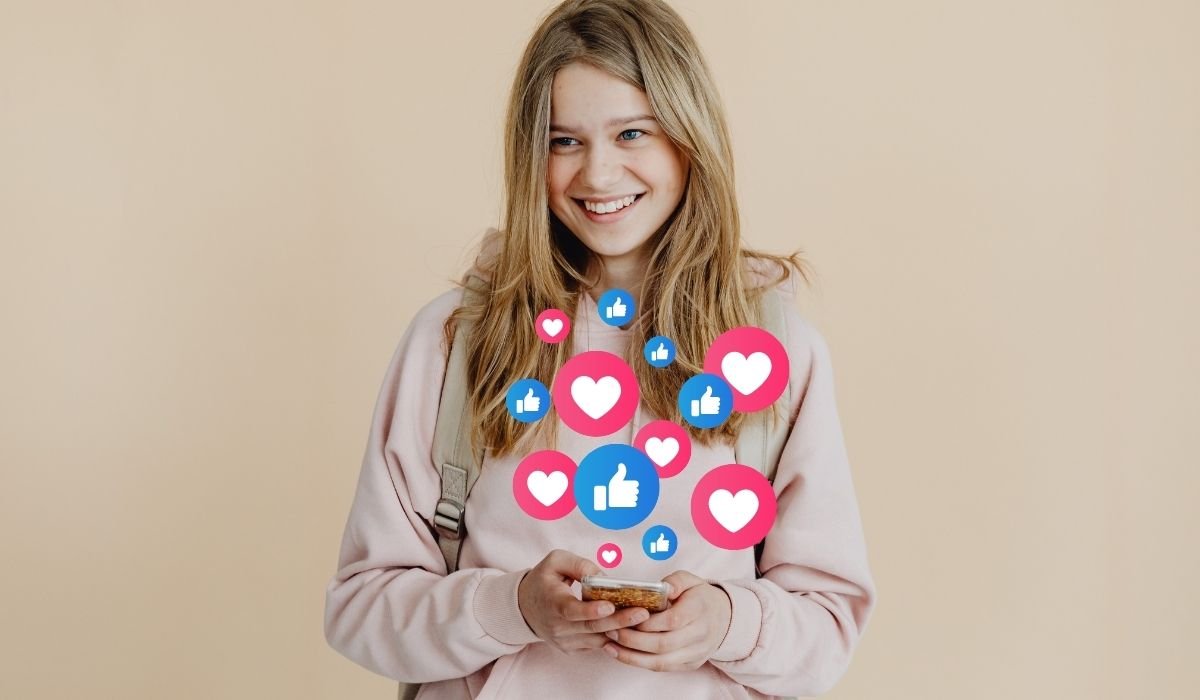
Liking one’s own post on Facebook is more than just a simple click; it’s a way to affirm oneself. When someone likes their own post, they are often seeking self-validation. This small act can reinforce their belief in the value of what they’ve shared, making them feel more confident about their content.
In the world of social media, norms and expectations play a significant role. Users often feel the pressure to fit in and gain approval from others. Liking their own posts can be seen as aligning with these social expectations, a way to signal to others that their content is worth noticing.
Additionally, this act can provide an instant ego boost. Seeing that first like, even if it’s from oneself, can create a sense of satisfaction and a quick increase in self-esteem. It’s a way to give oneself a little extra encouragement in the vast and sometimes overwhelming landscape of social media.
Social Dynamics of Facebook
When someone likes their own Facebook post, it doesn’t go unnoticed by friends and followers. Some may see it as a sign of confidence, viewing the self-like as a bold statement that says, “I stand by what I posted.” However, others might perceive it as a bit odd or even insecure, wondering why someone feels the need to boost their own content.
As for the impact on engagement, the effect is debatable. While liking your own post might add that extra like count, there’s little evidence to suggest it significantly boosts visibility or overall engagement. The algorithms are more complex, focusing on broader interactions rather than self-likes.
Liking your own post also sends subtle social signals. To some, it might signal self-assurance, while to others, it could indicate a desire for more recognition. The interpretation varies, but it undoubtedly adds an extra layer to how one’s social media behavior is perceived.
Comparative Analysis: Self-Liking Across Platforms
Self-liking behavior varies across different social media platforms, each with its own culture and user expectations. On Facebook, liking your own post is relatively common, though it can be seen as either confident or needy, depending on the viewer. Instagram, with its focus on aesthetics and personal branding, often views self-liking as more of a strategic move, especially among influencers who are looking to set a trend or increase engagement. On Twitter, however, self-liking is less common and often viewed more critically, as the platform is driven by retweets and external validation rather than personal likes.
Cultural differences also play a significant role in how self-liking is perceived. In some cultures, where humility and modesty are highly valued, liking your own post might be seen as boastful or even inappropriate. In contrast, in more individualistic cultures, where self-promotion is more accepted, this behavior might be interpreted as a normal part of social media interaction. These cultural nuances add another layer of complexity to understanding why people like their own posts and how it’s received by others.
The Role of Algorithms
There’s a common belief that liking your own post on Facebook can trick the algorithm into boosting its visibility. However, this is largely a myth. Facebook’s algorithm prioritizes posts based on a variety of factors, such as the number of comments, shares, and meaningful interactions from others—not self-likes. So, while it might feel like you’re giving your post a little push, in reality, the impact is minimal.
Engagement does play a crucial role in how Facebook’s algorithm determines reach and visibility. The more interactions a post receives, especially meaningful ones like comments and shares, the more likely it is to appear in others’ news feeds. However, self-liking doesn’t carry much weight in this equation. It’s the broader engagement from your friends and followers that truly matters.
Real-Life Examples and Case Studies
Celebrities and influencers are no strangers to self-liking their own posts. For example, some well-known personalities like Kim Kardashian have been spotted liking their own Instagram posts. This behavior is often seen as a power move, reinforcing their brand and showing confidence in their content. Fans might interpret it as a way of saying, “If I like it, so should you.” However, critics may view it as a sign of insecurity or an attempt to manipulate engagement metrics.
Among everyday users, self-liking is more common than you might think. Surveys and anecdotal evidence suggest that a significant number of users, particularly younger demographics, engage in this practice. They often do so for a quick boost in visibility or to kickstart engagement on their posts. While some users admit they feel awkward about it, others see it as a harmless way to support their own content. The perception varies, but it’s clear that self-liking is a widespread behavior, both among celebrities and regular users.
Psychological and Social Implications
Self-liking on Facebook can have different psychological and social implications depending on the individual. For some, liking their own post might be a sign of underlying insecurities. It can reflect a need for validation or a way to compensate for a lack of external affirmation. In these cases, self-liking might indicate a deeper issue with self-esteem or social anxiety.
On the other hand, self-liking can also be a healthy expression of self-pride. For individuals who are confident in their content and wish to signal that confidence, liking their own post can be a way of celebrating their work or opinion. It’s a way to take ownership of what they’ve shared and show that they stand behind it.
When it comes to relationships and social interactions, the impact of self-liking can be subtle yet significant. Friends and followers might interpret this behavior in various ways—some may see it as confident, while others might find it off-putting or attention-seeking. In extreme cases, frequent self-liking could even strain relationships, especially if it’s perceived as a sign of narcissism or self-obsession. Social media interactions are nuanced, and how one’s self-likes are perceived can influence the dynamics of online relationships.
The Ethics of Self-Liking
When it comes to the ethics of self-liking, opinions are divided. On one hand, self-liking can be seen as a harmless action, a simple way to express satisfaction with one’s own content. However, some argue that it edges into manipulative behavior, especially if it’s done with the intention of artificially inflating engagement or misleading others into thinking a post is more popular than it truly is. This raises moral questions about the integrity of online interactions and whether self-liking undermines the authenticity of social media.
Transparency and authenticity are crucial on platforms like Facebook. Genuine engagement—likes, comments, and shares from others—builds trust and fosters real connections. When users focus on authentic interactions rather than manipulating metrics, they contribute to a more honest and meaningful online community. Self-liking, if done excessively or strategically, can blur the line between genuine approval and self-promotion, potentially diminishing the value of real engagement. It’s important to remember that social media thrives on genuine connections, and maintaining transparency is key to preserving the integrity of those interactions.
Conclusion
Self-liking on Facebook is a multifaceted behavior influenced by psychological, social, and algorithmic factors. Psychologically, it can be a way to seek self-validation or boost self-esteem, while socially, it sends signals that can be interpreted as either confidence or insecurity by others. Algorithmically, however, the impact of self-liking on visibility and engagement is minimal, debunking the myth that it significantly boosts a post’s reach.
In conclusion, self-liking can be viewed as either harmless fun or a reflection of deeper social dynamics, depending on the context and frequency. For some, it’s a simple expression of self-approval; for others, it might indicate a need for validation. Ultimately, how it’s perceived varies among individuals, but understanding the motivations behind self-liking can offer valuable insights into our broader interactions on social media.
Frequently Asked Questions
Why would someone like their own Facebook posts?
People often like their own posts to express confidence, boost visibility, or simply show that they stand behind their content. It can be a way to kickstart engagement or signal that they believe their post deserves attention.
What is the psychology behind liking your own posts?
The psychology behind self-liking involves seeking self-validation, boosting self-esteem, and aligning with social media norms. It can be a quick way to feel good about one’s content and reinforce personal confidence.
Does liking your own post help engagement?
Liking your own post has minimal impact on engagement. While it adds one like to the count, Facebook’s algorithm prioritizes meaningful interactions, like comments and shares, over self-likes.
What type of person likes their own posts?
People who like their own posts might be confident, seeking validation, or simply wanting to ensure their content gets noticed. It’s a behavior seen across various personalities, from those with high self-esteem to those who may feel insecure.
Is it good to like your own posts on Facebook?
Liking your own posts can be good if it boosts your confidence or helps you feel positive about your content. However, it’s unlikely to significantly impact engagement or visibility on Facebook.
Is liking Facebook posts flirting?
Liking someone’s Facebook post can sometimes be seen as a subtle form of flirting, depending on the context and relationship. However, it’s not always the case and could simply be a sign of support or agreement.