
Changing file types on Android can be a helpful skill when you need to switch between file formats for compatibility or ease of use. Whether you’re working with images, documents, audio, or video files, converting the file type ensures it’s compatible with your device or apps.
Common scenarios include converting images from PNG to JPG, turning PDFs into Word documents, or extracting audio from a video file. Each situation may require a different approach, but the goal remains the same—making the file more accessible.
Android’s file system is flexible, offering several ways to manage and convert file types with the help of built-in tools or third-party apps.
Can I Change File Type on Android?
Yes, you can change file types on Android using various methods. You can manually rename file extensions with a file manager, use conversion apps like File Converter, or try online tools such as Zamzar. These options make it easy to convert files directly on your device.
Understanding File Extensions
File extensions are the letters that come after the period in a file name, like .jpg, .pdf, or .mp4. They help the operating system identify what type of file it is and which apps can open it. Each extension points to a specific format: .jpg is for images, .pdf for documents, and .mp4 for videos.
Choosing the right file extension is crucial for ensuring compatibility. For example, an image saved as .jpg will open in most photo apps, but saving it as .webp might limit where it can be viewed or shared. Making the right selection prevents issues when opening, editing, or sharing files across different platforms and apps.
Also read: How to Loop a Video on Android: A Complete Guide
Methods to Change File Type on Android
Methods to Change File Type on Android
1. Renaming the File Extension
One quick way to change a file type on Android is by manually renaming the file extension using a file manager app like ES File Explorer or Solid Explorer.
- Open your file manager app.
- Locate the file you want to change.
- Long-press the file and select “Rename.”
- Change the extension after the period (e.g., from .txt to .jpg).
- Save the changes.
This method works best for simple files like text or images. However, if the file content doesn’t match the new extension, it might cause issues. For instance, changing a .jpg image to .mp3 won’t magically turn it into an audio file, and it could corrupt the file.
2. Using File Conversion Apps
For more complex conversions, such as converting documents or media files, dedicated apps are the best solution.
- File Converter App:
- Download and install File Converter from the Play Store.
- Open the app and choose the file you want to convert.
- Select the output format (e.g., .pdf to .docx or .mp4 to .mp3).
- Tap “Convert” and wait for the process to finish.
- This app supports multiple file types, including videos, images, and documents. It’s user-friendly, allowing for drag-and-drop functionality and batch conversions.
- Online Convert App:
- Download the Online Convert app or visit their website from your Android browser.
- Upload the file you want to convert.
- Choose the target format, then click “Convert.”
- While both apps offer free versions, premium subscriptions unlock faster conversions and larger file limits. Free versions may also limit the number of conversions you can do per day.
3. Online File Conversion Tools
If you don’t want to download an app, online conversion tools can help.
- Open your browser and visit sites like Zamzar, Convertio, or CloudConvert.
- Upload your file directly from your device.
- Select the desired output format and click “Convert.”
These tools are reliable and support a wide variety of file formats. However, they require an active internet connection, and uploading sensitive files might not always be secure, so be mindful when using these tools for private documents.
Also read: Why Is My Phone Glitching: Android Troubleshooting Guide
File Type-Specific Conversions
1. Converting Document Formats
Converting between document formats like PDF to Word or Word to PDF is a common need. For example, you may want to edit a PDF or share a document in a more accessible format. Apps like Adobe Acrobat Reader make this easy:
- Open Adobe Acrobat Reader and upload your PDF.
- Select “Export PDF” and choose the format (e.g., Word, Excel, etc.).
- Save the new file on your device.
Other apps like WPS Office and Microsoft Word for Android also support seamless document conversions between formats like PDF, Word, and Excel.
2. Image Format Conversions
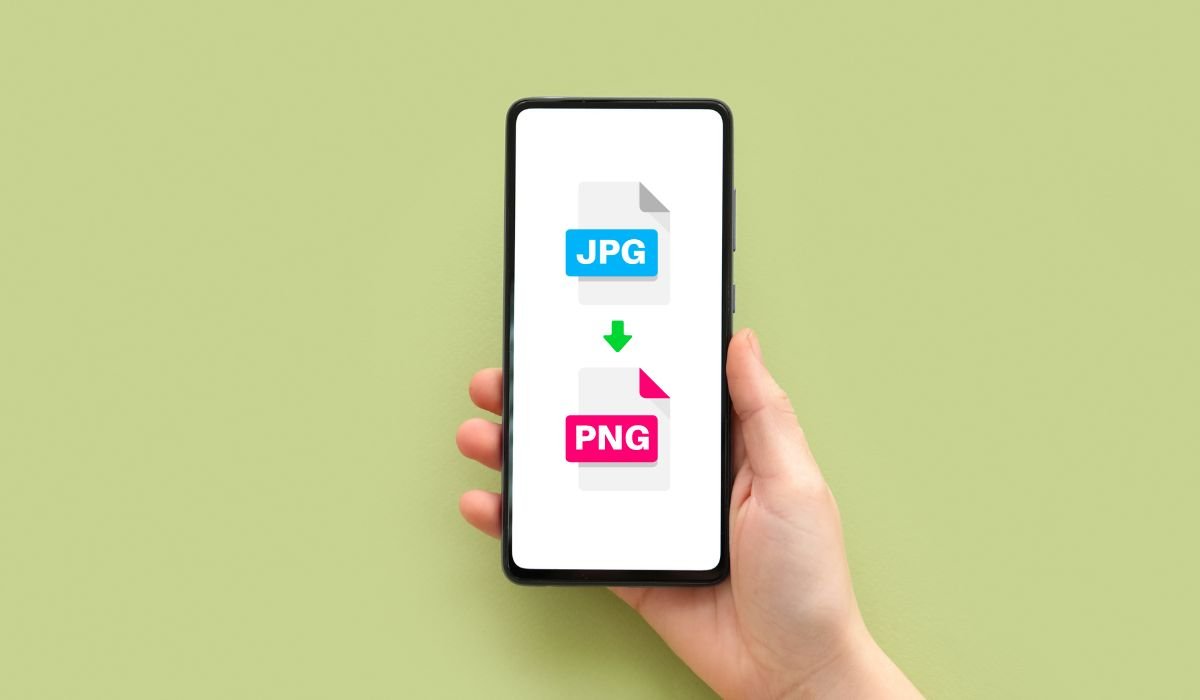
Changing image formats is essential for reducing file size or ensuring compatibility. For example, converting from .png to .jpg or .gif helps when uploading to websites that require specific formats.
You can use apps like Pixlr or Image Converter for these conversions:
- Open the app and load your image.
- Select the “Save As” option and choose the desired format (e.g., .jpg, .png, .gif).
- Save the converted image to your device.
Some Android gallery apps also allow you to convert formats directly within the app by editing and exporting images in different file types.
3. Audio/Video File Conversions
For media files, converting between formats like .mp4 to .mp3 or .wav is useful when you only need the audio from a video or need to reduce file sizes.
Apps like Media Converter and VidCompact are designed for multimedia conversions:
- Open Media Converter and import your video.
- Choose the output format (e.g., .mp3, .wav, .aac).
- Start the conversion process and save the file.
These apps also allow you to trim or compress video files during conversion, making them versatile tools for managing multimedia on Android.
Using Android’s Built-in Tools (If Available)
Some Android devices offer basic file conversion options through their native apps, which can be convenient if you don’t want to download third-party apps.
1. Google Photos for Image Conversion
- Google Photos allows basic image editing, and in some cases, it automatically converts certain image types (e.g., HEIC to JPEG when downloading).
- You can check if Google Photos supports format conversion by following these steps:
- Open Google Photos and select the image.
- Tap on the three dots for more options and look for the “Download” option.
- If the file is in HEIC format, downloading it will automatically convert it to JPEG.
This method is straightforward for images, but not all formats may be supported for conversion.
2. Google Docs for Document Conversion
- Google Docs can convert documents between formats like Word and PDF.
- Open Google Docs and load the document you want to convert.
- Tap on the three dots in the top right corner and select “Share & export.”
- Choose “Save as”, and select the desired format (e.g., PDF or Word).
- The file will be converted and saved in the new format.
How to Check If Your Device Supports Native Conversions
- Step 1: Open the file you want to convert in the corresponding native app (e.g., Google Photos for images, Google Docs for documents).
- Step 2: Look for any “Save as” or “Export” options in the app’s settings or menu.
- Step 3: If the app offers multiple formats (like PDF, JPEG, Word), then your device supports native file conversion.
While these tools are convenient, they have limitations. Native apps often offer only basic formats and may not support all file types, so you might still need third-party apps for more advanced conversions.
Pros and Cons of Changing File Types on Android
Pros:
- Quick and Convenient: You can convert file types directly from your Android device, without needing a computer, which saves time and effort.
- On-the-Go Conversion: Whether you’re traveling or don’t have access to a computer, Android apps let you manage and convert files from anywhere.
- Avoids the Need for a Computer: Changing file types on Android eliminates the hassle of transferring files to a computer for conversion.
Cons:
- Limited to Certain File Types: Some complex file conversions may not be supported on mobile apps, or they might lack the precision you’d get on a desktop program.
- Potential Quality Loss: Depending on the file type and the app used, converting files may result in quality loss, especially with images and videos.
- Premium Apps Often Required: Many apps offer only basic functionality in their free versions, requiring a subscription or purchase for more advanced features like batch conversions or larger file sizes.
Best Practices for File Conversion on Android
- Always Back Up Your Original File: Before starting any conversion, make sure to create a backup of the original file. This way, if something goes wrong or the conversion results in quality loss, you can always revert to the original version.
- Use Trusted Apps: Stick to reliable and well-reviewed apps from the Play Store to avoid malware or corrupted files. Apps like File Converter or Adobe Acrobat are safe choices, as they are trusted by many users.
- Be Mindful of File Size: Some conversions, especially for images and videos, can significantly increase or reduce file size. Always ensure that the converted file remains manageable, especially if you plan to share it through email or messaging platforms with file size limits.
- Check Format Compatibility: Ensure that the format you’re converting to is supported by the apps or platforms you plan to use. For example, converting a file to a lesser-known format like .webp might not work across all devices or platforms.
- Test the Converted File: After converting, test the file by opening it with the intended app or sharing it to ensure it works as expected before deleting the original or using it for important tasks.
Troubleshooting Common Issues
1. What to Do if the Converted File Doesn’t Open or Work as Expected
- Check the File Extension: Ensure the file has the correct extension. For example, if a video file should be .mp4, but it was saved as .avi, some apps might not recognize it.
- Try Another App: If your default app can’t open the converted file, try using a different app that supports the file format. For example, use VLC Player for videos or WPS Office for documents.
- Reconvert the File: Sometimes, redoing the conversion with a different app or method can resolve compatibility issues.
2. Solutions for Unsupported File Types or Corrupted Files
- Use a Different Conversion Tool: If your current app doesn’t support the file type or leads to corrupted files, switch to a more reliable option like Zamzar, Convertio, or a dedicated Android app like File Converter.
- Check for File Integrity: Sometimes the original file may already be corrupted. Verify if the file opens correctly before converting, and if not, try to find an undamaged version of the file.
3. How to Revert Back to the Original File Format if Conversion Fails
- Restore the Backup: If you followed best practices and backed up the original file, simply restore it from your backup.
- Rename the Extension Back: If you manually changed the extension and the file doesn’t work, try renaming it back to the original format (e.g., changing .mp4 back to .mkv).
- Reconvert from the Original: Start the conversion process again from the backup file, using a different tool or method to avoid previous issues.
Conclusion
Changing file types on Android is a simple and convenient process that can be done in several ways. You can manually rename file extensions, use file conversion apps like File Converter or Adobe Acrobat, or rely on online tools like Zamzar and Convertio. Each method offers its own advantages depending on the file type and your needs.
It’s essential to explore different apps and tools to find the one that best suits your specific conversion tasks, whether it’s converting documents, images, or media files. Remember to always back up your files and choose trusted tools to avoid any issues.
With Android’s flexibility and the variety of available apps, converting files on the go is easier than ever, giving you the ability to manage your files anytime, anywhere without needing a computer.
FAQ
1. How do I change a file type on Android?
You can change a file type on Android by renaming the file extension using a file manager or by using file conversion apps like File Converter or Media Converter. Online tools like Convertio also allow easy format changes through your browser.
2. Can I convert a PDF to Word on Android?
Yes, you can convert a PDF to Word using apps like Adobe Acrobat Reader or Google Docs. Simply open the PDF in the app, select “Export” or “Save as,” and choose Word as the output format.
3. Is it safe to use online file converters on Android?
Using online file converters like Zamzar or CloudConvert is generally safe if you use trusted websites. However, avoid uploading sensitive or private files to online converters, as they may not be completely secure.
4. Can changing file types reduce file quality?
Yes, changing file types, especially for images and videos, can result in quality loss. For example, converting .png to .jpg may lower image quality. Always check the output and use lossless formats when needed.
5. What are the best apps for file conversion on Android?
Popular apps for file conversion on Android include File Converter, Media Converter, and VidCompact. These apps allow you to convert images, videos, audio, and documents into various formats with ease.
6. What should I do if a converted file won’t open?
If the converted file doesn’t open, try using a different app that supports the format or reconverting the file using another tool. Make sure the file extension is correct and compatible with the app you’re using.