
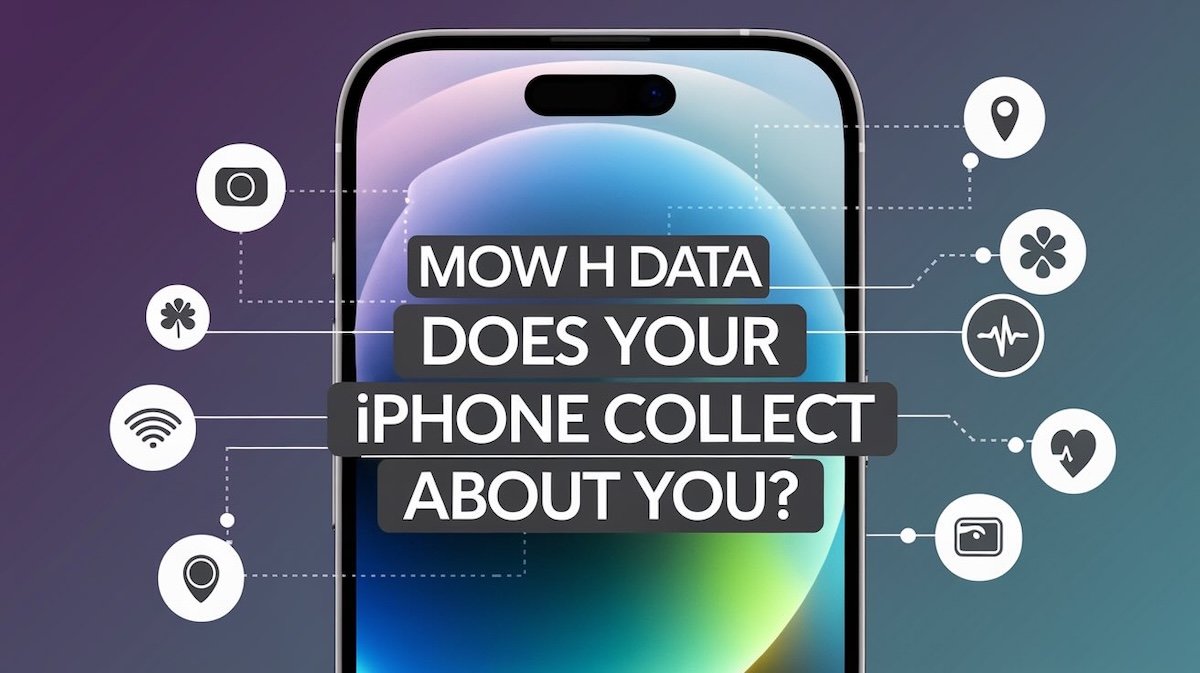
Every time you use your iPhone, it collects information about you and how you use your device. While Apple says they care about privacy, it’s important to understand exactly what data they gather and what happens to it. Let’s break down everything you need to know about iPhone data collection in simple terms.
Your Personal Information: What Apple Knows About You
When you set up your iPhone, Apple starts collecting basic information about you. This includes:
- Your name and Apple ID
- Your email address
- Your payment information (if you use the App Store)
- Your phone number
- Your location (if you allow it)
But that’s just the beginning. Apple also keeps track of other details that help them provide services and improve your experience.
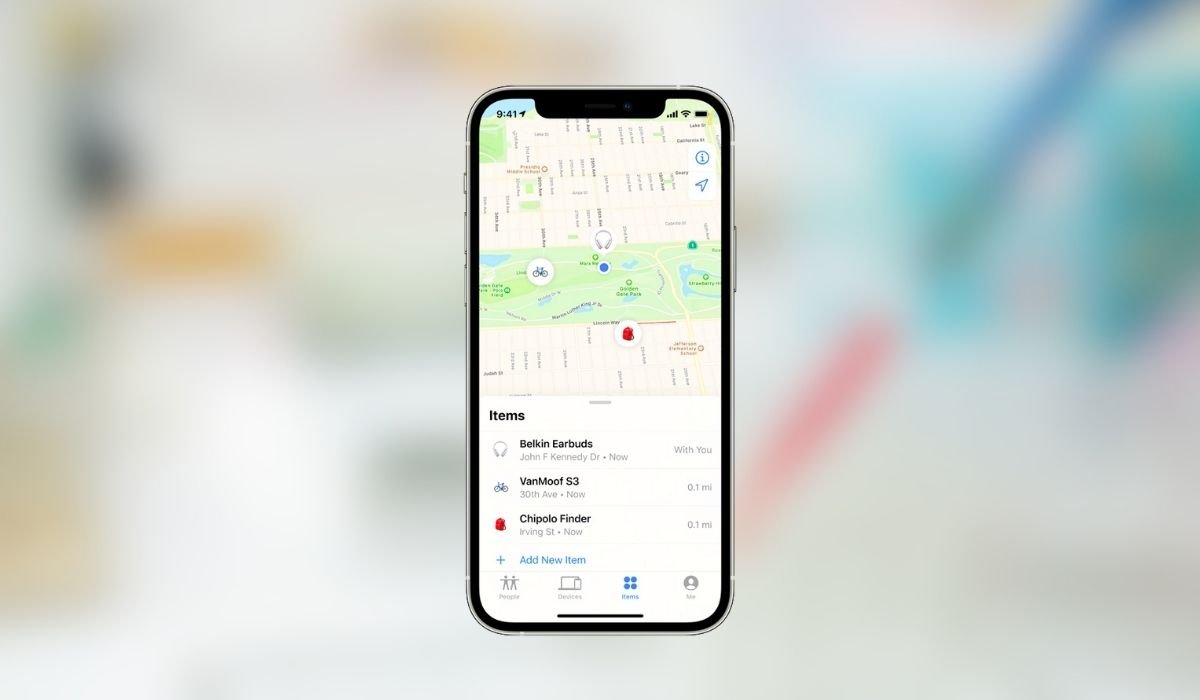
Also read: How to Set up Find My on your iPhone: A Complete Guide
How Your iPhone Tracks Your Daily Activities
App Usage and Behavior
Your iPhone watches how you use your apps. It knows:
- Which apps you download
- How often you use each app
- When you use your apps
- How long you spend on different apps
This helps Apple recommend new apps you might like and make their App Store better.
Location Services and Maps
If you’ve enabled location services, your iPhone collects data about:
- Places you visit often
- Your daily routes
- Nearby businesses you search for
- How you use Apple Maps
You can always turn off location tracking in your phone’s settings if you want more privacy.
Health and Fitness Data Collection
If you use an Apple Watch or health apps, Apple gathers information about:
- Your daily step count
- Your exercise routines
- Your heart rate
- Your sleep patterns
- Other health metrics you track
Apple promises to keep this sensitive health data private and encrypted.
Messages, Calls, and Communication
Your iPhone also keeps records of:
- Who you contact most often
- When you make calls
- How long your calls last
- Your messaging patterns
However, Apple says they can’t read your actual messages because they’re encrypted.
Also read: Transfer Photos from iPhone to iPhone: A Complete Guide
Why Does Apple Collect This Data?
Apple collects this data for several reasons:
- Improving Services: By understanding how users interact with their devices, Apple can enhance existing features and create new ones that meet user needs.
- Personalization: Data helps Apple offer personalized recommendations and services. For example, if you often listen to a specific genre of music, Apple Music might suggest similar songs or playlists.
- Security: Collecting device information helps Apple identify and prevent fraudulent activities, keeping users safe.
How Apple Uses Your Data
Improving Products and Services
Apple uses the information they collect to:
- Make their products work better
- Fix bugs and problems
- Create new features you might like
- Personalize your experience
Advertising and App Recommendations
While Apple collects data for ads, they’re different from other companies because:
- They don’t sell your personal information
- They limit how much data advertisers can see
- You can opt out of personalized ads
Also read: Transfer Music From iPhone to iPhone: A Easy Guide
Protecting Your Privacy: What You Can Control
You have power over what information Apple collects. Here’s how to take control:
Privacy Settings You Can Change
- Go to Settings > Privacy
- Review each category
- Turn off what you don’t want to share
- Adjust app permissions individually
Important Privacy Features
- App Tracking Transparency
- Privacy Report in Safari
- Location Services controls
- Analytics sharing options
What You Can Do to Protect Your Data
To keep your information more private:
- Regularly review your privacy settings
- Only give apps the permissions they really need
- Use Sign in with Apple when possible
- Turn off analytics sharing if you’re concerned
Remember, you’re in charge of your privacy. Take time to understand these settings and adjust them to match your comfort level.
Also read: The Best iPhone in 2024: A Comprehensive Guide
Common Concerns About iPhone Data Collection
Is My Personal Information Safe? While no system is completely foolproof, Apple has a strong reputation for prioritizing user privacy. They have implemented various security measures to keep your personal information safe from unauthorized access.
Can I Stop Data Collection? Yes! You can limit the amount of data collected by adjusting your privacy settings on your iPhone. You can choose which apps can access your location or personal information.
What Happens to My Data? Apple states that they do not sell your personal information to third parties for advertising purposes. They use the data primarily to improve their products and services.
How to Stay Informed and Protect Your Privacy
To stay on top of your privacy, regularly check Apple’s privacy settings and updates. Being proactive about managing your permissions can help ensure that your personal information remains just that—personal.
Also read: Transfer Data From iPhone to iPhone: A Comprehensive Guide
Conclusion
Understanding how much data Apple collects from iPhone users is crucial in today’s tech-driven world. While they gather a variety of information to enhance user experience and security, they also prioritize user privacy through transparency and control options. By knowing what data is collected and how it’s used, you can make informed decisions about your privacy settings.
If you’re concerned about privacy but still want to enjoy the benefits of using an iPhone, remember that you have the power to manage what information you share. Keep exploring those settings!