
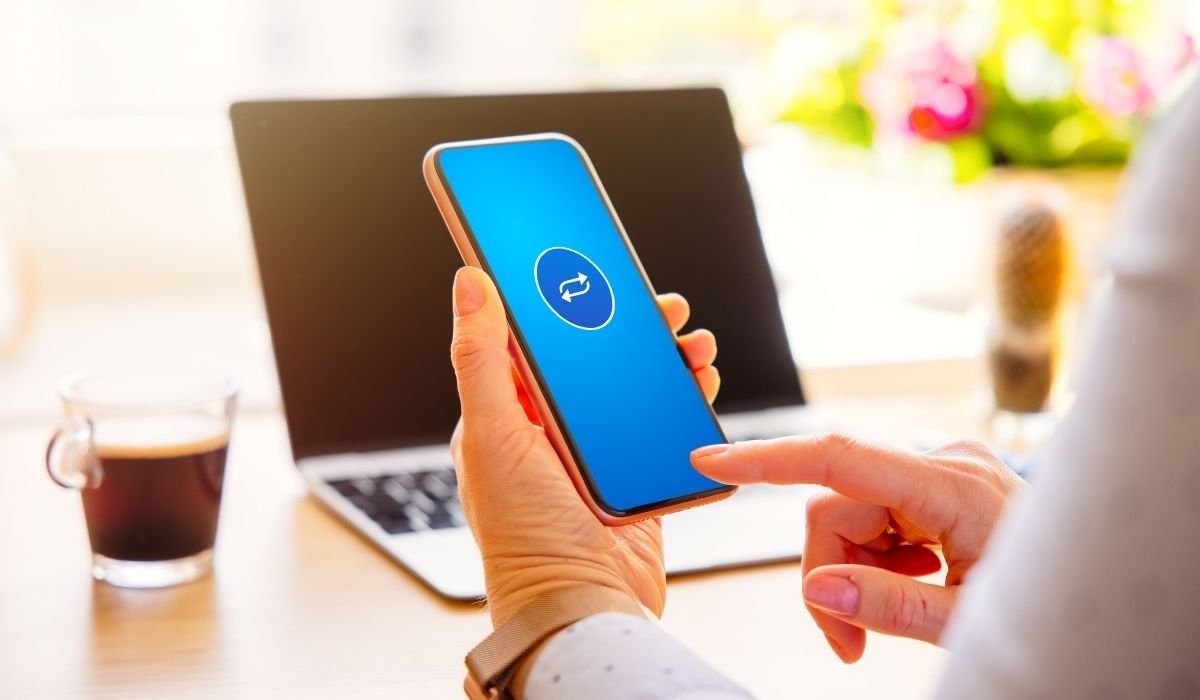
Video looping allows continuous playback of a video without manual restarting. This feature is useful for creating visual effects, studying scenes, or enjoying short clips repeatedly. On Android devices, various methods are available to achieve video looping.
Users can utilize native Android apps and third-party solutions to loop videos. These methods include using Google Photos’ built-in feature, online tools for processing videos, dedicated video player apps with looping functionality, and creating looped playlists on YouTube.
Key Takeaways
- Video looping is available through native Android apps and third-party solutions
- Methods include using Google Photos, online tools, video player apps, and YouTube playlists
- Dedicated looping apps offer advanced features for more control
- Troubleshooting steps can resolve common looping issues
Understanding Video Looping
What is Video Looping?
Video looping is the continuous playback of a video clip without interruption. When a video is set to loop, it automatically restarts from the beginning once it reaches the end, creating a seamless and repetitive viewing experience.
Benefits of Video Looping
- Enhance learning by repeatedly viewing instructional content
- Create engaging social media content with short, looping clips
- Improve video editing skills by studying specific techniques
- Enjoy ambient visuals for relaxation or decoration
Methods to Loop a Video on Android
Using Google Photos
Google Photos, the default gallery app on many Android devices, offers a simple way to loop videos:
- Open Google Photos and find your video
- Tap the video to play it
- Tap the Menu (⋮) button
- Select the “Loop video” option
This method is quick and doesn’t require any additional apps or tools.
Using Online Tools
Online video loopers provide a convenient way to create looped videos without installing extra apps:
- Visit a video looping website (e.g., media.io)
- Upload your video
- Choose the number of loops or duration
- Process the video and download it to your device
Using Video Player Apps
Many third-party video player apps offer looping functionality:
- Install a video player app like MX Player or VLC
- Open your video in the app
- Look for a loop or repeat option in the playback controls
- Enable looping for continuous playback
MX Player Looping Steps:
- Open MX Player and select your video
- Tap the three-dot menu icon
- Choose “Loop” under the “Play” section
- Select “Current video” for single video looping
Using YouTube Playlists
For YouTube videos, create a looping playlist:
- Open the YouTube app and find your video
- Tap “Save” and create a new playlist
- Open the playlist and play the video
- Tap the repeat icon to enable looping
This method works well for online content but requires an internet connection.
Using Dedicated Looping Apps
Specialized video looping apps offer more control and features:
- Install an app like “Repeat Video Player” or “Boomerate”
- Open the app and select your video
- Adjust looping settings as needed
- Play the video to start looping
These apps often include features like:
- Custom loop points
- Slow motion and speed control
- GIF creation from video loops
Tips for Looping Videos
To make the most of video looping on your Android device, consider these tips:
- Trim your videos: Shorter videos often loop more smoothly. Use a video editing app to trim unnecessary parts.
- Check file compatibility: Ensure your video format is supported by the looping method you choose.
- Manage storage space: Looped videos can consume significant storage. Regularly clean up unnecessary files.
- Use Wi-Fi for online methods: When using YouTube or online tools, connect to Wi-Fi to save mobile data.
- Experiment with different apps: Try various methods to find the one that best suits your needs.
Troubleshooting Common Issues
Video Won’t Loop
If your video isn’t looping:
- Check if the looping feature is enabled in your app
- Ensure the video file isn’t corrupted
- Try a different video player or looping method
Poor Performance
If looped videos play poorly:
- Reduce the video resolution
- Clear your device’s cache
- Close background apps to free up memory
Battery Drain
Continuous video playback can drain your battery quickly. To mitigate this:
- Lower screen brightness
- Use Wi-Fi instead of mobile data when streaming
- Enable power-saving mode on your device
Frequently Asked Questions (FAQ)
How do you make a loop on Android?
To create a loop on Android, use Google Photos’ built-in feature or install a third-party video player app like MX Player. In Google Photos, open the video, tap the menu button, and select “Loop video.” For MX Player, play the video, access settings, and enable the loop option.
How do I turn a video into a loop?
Transform a video into a loop using online tools or dedicated apps. Upload your video to a website like media.io, set the desired loop count, and download the result. Alternatively, use apps like “Repeat Video Player” or “Boomerate” to create custom loops with additional control options.
How do I loop a video on my screen?
Loop a video on your screen by using a video player app with looping functionality. Open the video in the app, locate the loop or repeat option in the playback controls, and enable it. The video will now play continuously without manual intervention.
How do you run a video on a loop?
Run a video on a loop by using built-in features of gallery apps or specialized video players. In Google Photos, enable the loop option from the menu. For YouTube videos, create a playlist and enable looping. Third-party apps like VLC also offer looping features in their playback settings.
What is loop mode video?
Loop mode video is a playback setting that automatically restarts a video from the beginning once it reaches the end. This creates a continuous, seamless viewing experience without the need for manual intervention. Loop mode is useful for repetitive viewing, creating ambient visuals, or studying specific video content.
Can you edit a video to loop?
Yes, you can edit a video to loop seamlessly. Use video editing software to trim the clip and ensure the end frame matches the beginning frame. This creates a smooth transition when the video restarts. Some apps also allow you to set custom loop points within a video for more precise looping.