
Optimizing your Android phone is essential for maintaining peak performance and extending its lifespan. A combination of traditional methods and cutting-edge techniques can significantly enhance your device’s speed, efficiency, and battery life. From basic maintenance practices to advanced customizations, there are numerous ways to keep your Android running smoothly.
This guide covers a wide range of optimization strategies, including software updates, storage management, app optimization, performance tweaks, battery enhancements, and security measures. Whether you’re a casual user or a tech enthusiast, you’ll find practical tips to boost your Android phone’s performance and tailor it to your specific needs.
Key Takeaways
- Regularly restart your phone to clear memory and close unnecessary background processes.
- Keep your Android operating system up-to-date to benefit from performance improvements and security enhancements.
- Free up storage space by deleting unused apps, clearing cached data, and removing large files.
- Disable animations and use lite versions of apps to reduce resource consumption.
- Limit background processes and check for malware to maintain optimal performance.
- Consider a factory reset as a last resort if your phone is still sluggish after implementing other optimization techniques.
How to Optimize Your Android Phone
1. Restarting Your Phone Regularly
One of the simplest yet most effective ways to optimize your Android phone’s performance is to restart it on a regular basis. Restarting your device clears the memory, closes unnecessary background processes, and helps to free up valuable resources. It’s recommended to restart your phone at least once a week to maintain optimal performance.
2. Updating Your Android Operating System
Ensuring your Android phone is running the latest version of the operating system is crucial for performance optimization. Software updates often include bug fixes, security patches, and performance improvements that can significantly enhance the user experience. To check for updates, navigate to Settings > System > System update and follow the on-screen instructions.
3. Freeing Up Storage Space
Limited storage space can significantly slow down your Android device. To free up storage, you can delete unnecessary apps, clear cached data, and remove large files that are no longer needed. You can access these options by going to Settings > Storage > Free up space.
4. Clearing App Cache and Data
Clearing the cache for individual apps can help improve their performance. This can be done by going to Settings > Apps, selecting an app, and choosing Clear Cache. For a more thorough cleanup, you can also clear the app’s data.
5. Uninstalling Unused Apps
Removing applications that you no longer use can have a positive impact on your Android phone’s performance. This not only frees up storage but also reduces the number of background processes running on your device. Access the Settings > Apps menu to uninstall apps you don’t need.
6. Disabling Animations
Reducing or disabling animations can speed up the overall interface on your Android phone. This can typically be done in the Developer Options by adjusting the Window Animation Scale, Transition Animation Scale, and Animator Duration Scale to “Animation off” or the lowest setting.
7. Using Lite Versions of Apps
For frequently used apps, consider using their “Lite” versions, which are designed to consume fewer resources. Examples of such apps include Facebook Lite and Messenger Lite.
8. Limiting Background Processes
Restricting the number of apps running in the background can help optimize your Android phone’s performance. You can adjust these settings in the Developer Options or manually close apps that are not in use.
9. Checking for Malware
Malware can significantly slow down your Android device. Use a reputable security app to scan for and remove any malicious software that may be affecting your phone’s performance.
10. Factory Reset as a Last Resort
If your Android phone is still sluggish after trying the above methods, a factory reset may be necessary. This will erase all data and restore the phone to its original settings, potentially resolving persistent performance issues. However, it’s important to back up your important data before performing a factory reset.
Securing Your Android Phone from Malware and Viruses
- Keep your software updated Always install the latest Android system updates and security patches as soon as they’re available.
- Only download apps from trusted sources Stick to the Google Play Store or other reputable app stores. Avoid downloading apps from unknown websites.
- Use built-in security features Enable Google Play Protect, which scans your apps for malware. Also, activate Find My Device for remote security control.
- Install a reputable antivirus app Consider using security apps like Bitdefender, Kaspersky, or Malwarebytes for additional protection.
- Be cautious with permissions Review app permissions carefully and only grant what’s necessary for the app to function.
- Avoid clicking suspicious links Don’t open links from unknown sources in emails, texts, or pop-ups.
- Use a VPN on public Wi-Fi A Virtual Private Network encrypts your data when using unsecured public networks.
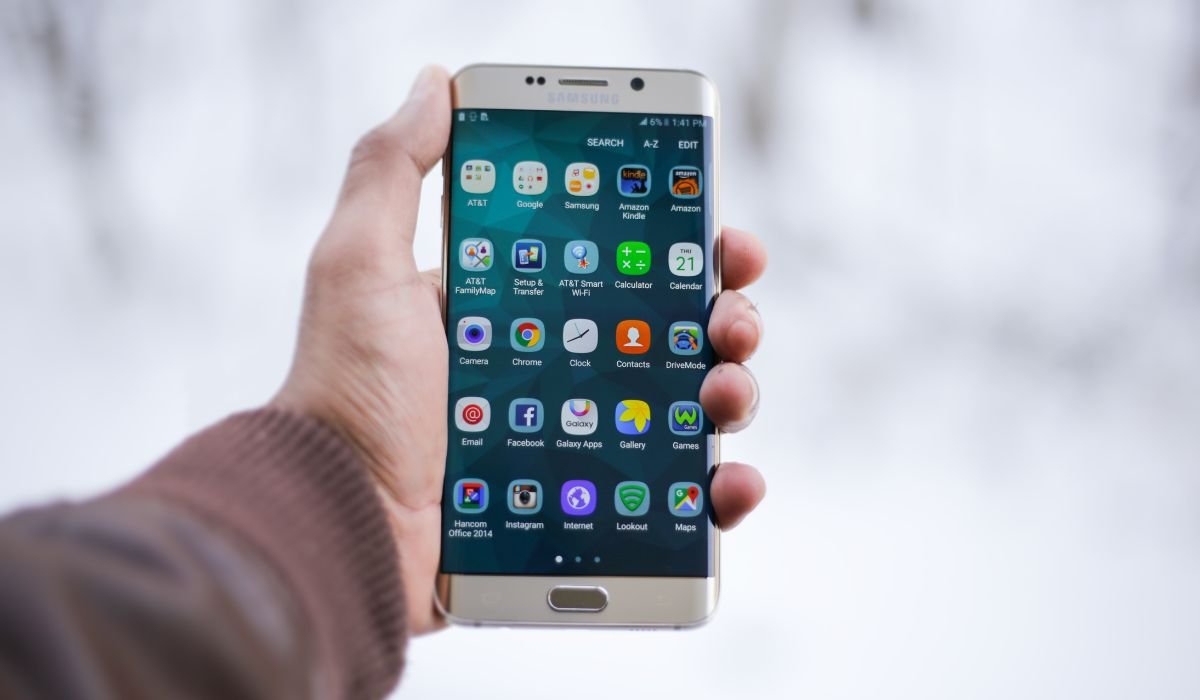
Customizing Your Android Home Screen
- Change your wallpaper Set a custom image or live wallpaper to personalize your background.
- Use widgets Add useful widgets like weather, calendar, or news for quick access to information.
- Organize with folders Group similar apps into folders to reduce clutter and improve organization.
- Customize your app icons Use icon packs or individually change app icons for a unique look.
- Adjust your grid size Modify the number of rows and columns on your home screen for more or less space.
- Use a custom launcher Try launchers like Nova, Action, or Lawnchair for extensive customization options.
- Hide apps Remove rarely used apps from the home screen without uninstalling them.
- Customize your dock Add your most-used apps to the dock for easy access from any home screen page.
Frequently Asked Questions (FAQ)
How do I optimize my Android for performance?
To optimize your Android’s performance, regularly update your system and apps, uninstall unused applications, clear app caches, and limit background processes. Use built-in optimization tools, enable developer options for advanced tweaks, and consider using a lightweight launcher. Regularly restart your device and manage your storage effectively.
How do I clean and optimize my Android phone?
Clean your Android phone by removing unnecessary files, clearing app caches, and uninstalling unused apps. Use the built-in storage manager to identify and delete large files. Optimize by updating your system, using battery-saving modes, and adjusting display settings. Consider using optimization apps for automated maintenance.
How to make your Android phone run faster?
Speed up your Android by reducing animations in developer options, using lite versions of apps, and limiting background processes. Clear RAM regularly, use a fast launcher, and keep your home screen minimal. Update your system and apps, and consider performing a factory reset if issues persist.
How to clean and optimize Android phone?
Clean your Android by deleting temporary files, clearing app caches, and removing old downloads. Optimize by updating software, managing background apps, and using built-in device maintenance tools. Adjust display settings, use dark mode on OLED screens, and consider using performance-boosting apps for additional optimization.
Way to clean phone fast?
For quick cleaning, use your phone’s built-in storage manager to remove unnecessary files. Clear app caches, delete old messages and downloads, and uninstall unused apps. Use a reputable cleaner app for one-tap optimization. Regularly empty your trash or recycle bin to free up space.
What is Android Optimize?
Android Optimize refers to built-in features and processes that enhance device performance. It includes automatic app hibernation, storage management, battery optimization, and memory management. These tools work in the background to improve speed, battery life, and overall efficiency of your Android device.