
Uninstalling Shield Launcher on Android involves accessing your device’s Settings, navigating to Apps, and selecting “Uninstall” or “Disable” for Shield Launcher. If unsuccessful, try using the Google Play Store or third-party uninstaller apps. Always back up your data before removing launchers.
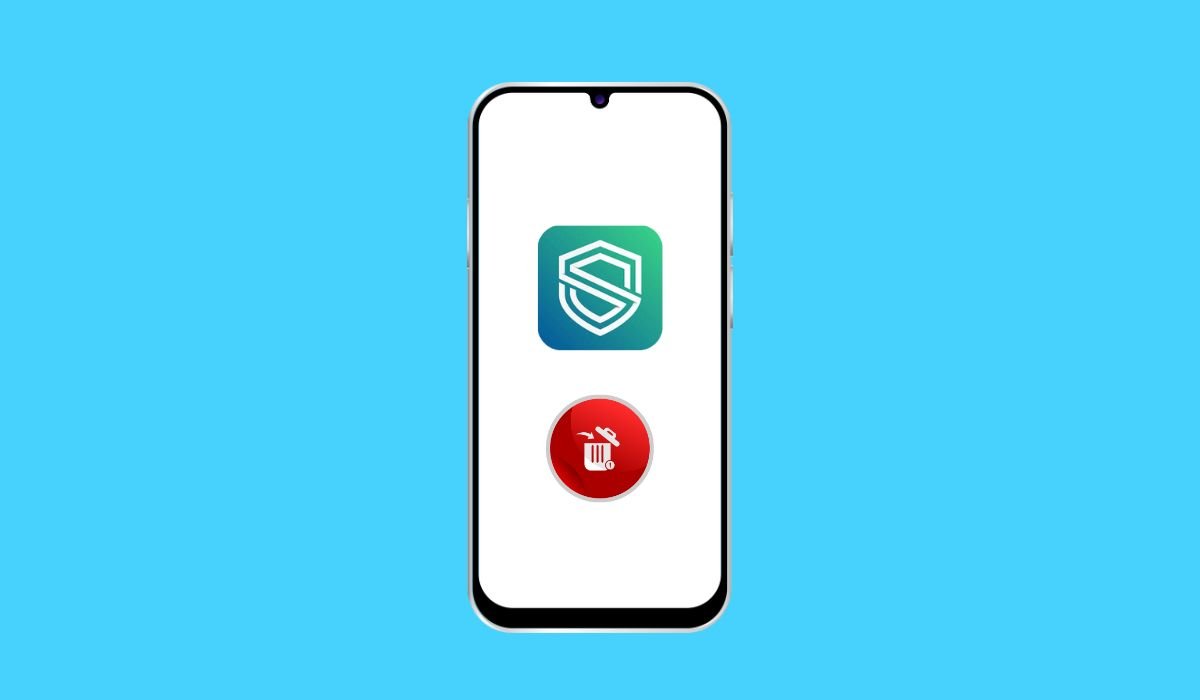
Shield Launcher is a popular Android launcher that offers a unique user interface and various customization options. However, if you find that Shield Launcher doesn’t meet your needs or you want to switch to a different launcher, you may want to uninstall it from your Android device. To remove Shield Launcher, navigate to your device’s settings, locate the Apps or Application Manager, find Shield Launcher in the list of installed apps, and either uninstall it if the option is available or disable it if uninstalling isn’t possible.
Key Takeaways
- You can uninstall Shield Launcher from your Android device’s settings.
- If the uninstall option is not available, you can disable Shield Launcher instead.
- Clearing data and cache for Shield Launcher can help resolve issues before uninstalling.
- After uninstalling Shield Launcher, you can choose a different launcher or use your device’s default launcher.
Understanding Shield Launcher
Before we dive into the uninstallation process, let’s briefly discuss what Shield Launcher is and why some users might want to remove it.
What is Shield Launcher?
Shield Launcher is a home screen replacement app that comes pre-installed on some Android devices. It provides a customizable interface and additional features that some users find helpful. However, others may prefer a different launcher or simply want to stick with the default Android interface.
Reasons for Uninstalling
There are several reasons why you might want to uninstall Shield Launcher:
- Preference for a different launcher
- Desire to free up storage space
- Concerns about performance impact
- Simplifying your device’s interface
Also read: Recording Your Heartbeat Sound on Android: Easy Steps
Preparing for Uninstallation
Before you proceed with uninstalling Shield Launcher, it’s important to take some preparatory steps to ensure a smooth process.
Backup Your Data
While uninstalling a launcher shouldn’t affect your personal data, it’s always wise to back up your important information. Use Android’s built-in backup feature or a third-party app to create a backup of your contacts, photos, and other crucial data.
Check Your Device’s Compatibility
Not all Android devices allow the uninstallation of pre-installed apps like Shield Launcher. Check your device’s specifications or consult the manufacturer’s website to see if uninstallation is possible on your specific model.
3 Best Methods to Uninstall Shield Launcher on Android
Method 1: Uninstalling Through Settings
This is the most straightforward method for most Android devices:
- Open your device’s Settings app
- Scroll down and tap on “Apps” or “Application Manager”
- Find “Shield Launcher” in the list of installed apps
- Tap on it to open the app info page
- Look for the “Uninstall” button. If it’s available, tap on it
- Confirm your action when prompted
If you don’t see an “Uninstall” button, it means the app can’t be fully removed from your device. In this case, you’ll need to use the disabling method described below.
Method 2: Disabling Shield Launcher
If uninstallation isn’t possible, disabling the app is your next best option:
- Follow steps 1-4 from Method 1
- Instead of “Uninstall,” look for a “Disable” button
- Tap “Disable” and confirm your action when prompted
- The app will now be disabled and won’t appear in your app drawer
Method 3: Using ADB (Advanced)
For tech-savvy users, the Android Debug Bridge (ADB) offers a way to remove system apps. However, this method requires technical knowledge and can potentially cause issues if not done correctly. We recommend sticking to the first two methods unless you’re comfortable with advanced Android operations.
Also read: Uninstalling Any Live Launcher from Your Android Device Easily
Troubleshooting Common Issue
- App freeze: Force stop and clear cache
- Battery drain: Check for power-hungry apps
- Slow performance: Remove unused apps and clear RAM
- Wi-Fi issues: Forget network and reconnect
- Bluetooth problems: Toggle off/on and re-pair devices
- Storage full: Delete unnecessary files and apps
- Overheating: Close background apps and avoid direct sunlight
- Touch screen unresponsive: Restart device and clean screen
Reverting to the Default Launcher
After uninstalling Shield Launcher, you’ll need to set a new default launcher:
1. Choose a New Launcher
- Your device will automatically revert to the stock launcher
- If you prefer, download a new launcher from the Google Play Store
2. Set the Default Launcher
- Go to Settings > Apps > Default apps
- Tap on “Home app” or “Default home app”
- Select your preferred launcher from the list
3. Customize Your New Launcher
- Arrange your apps and widgets
- Set a new wallpaper
- Adjust settings to your liking
Also read: How to Uninstall YouTube on Android: Quick and Easy Steps