
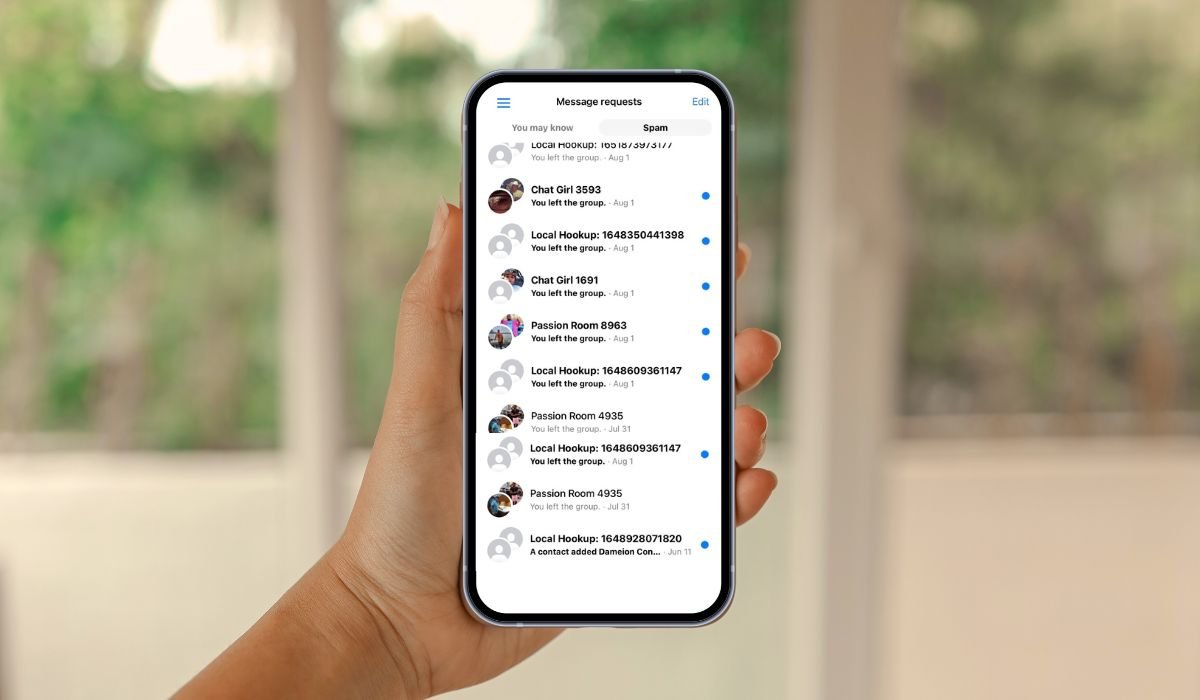
It’s becoming more common to open Facebook and find an unexpected message in your inbox—often from someone you don’t know. The message is flirty, sometimes downright suggestive, and leaves you wondering, “Why am I getting these?”
You’re not alone. Many users are increasingly frustrated by the rise of unsolicited hookup messages on Facebook. These messages can feel invasive, making you question your privacy and online safety.
Have you ever wondered what’s driving these unwanted advances? Why does it seem like these messages are suddenly flooding your inbox? Let’s dive into the reasons behind this annoying trend.
Key Takeaways
- Unsolicited hookup messages on Facebook are often driven by algorithms, data privacy issues, and your own online behavior.
- Adjusting privacy settings and being mindful of your online interactions can significantly reduce these unwanted messages.
- Facebook has tools to help combat these messages, but users should stay informed and proactive to protect their privacy.
- Educating others about online safety can create a more secure and aware community on social media.
Understanding the Issue
The Nature of Facebook Hookup Messages
Facebook hookup messages often start with casual greetings or overly friendly compliments. They might quickly escalate to flirtatious language or outright propositions. These messages usually come from accounts with little to no mutual connections, and the profiles often seem suspicious—using vague details or generic profile pictures.
Unlike spam or phishing messages, which are typically focused on scams or malicious links, hookup messages are more personal. Their aim is often to initiate a conversation that could lead to more inappropriate exchanges or even real-life meetups. This makes them feel more intrusive and unsettling than typical online spam.
Why Are You Receiving Them?
There are several reasons why these messages might be appearing in your inbox. Privacy settings play a big role. If your profile is more public, it’s easier for strangers to find and message you.
Engagement with certain types of content can also make you a target. For instance, liking or commenting on posts that are popular in certain communities might attract unwanted attention.
Finally, some people are simply part of vulnerable demographics. This could include users who have publicly shared personal details that make them more likely to be targeted, such as their relationship status or interests.
The Root Causes
Algorithmic Influence
Facebook’s algorithms are designed to connect you with content and people that align with your interests. However, this same technology can unintentionally promote interactions you never wanted. When you engage with certain types of content, Facebook might suggest your profile to people with similar interests, even if those interests include sending unsolicited hookup messages.
These algorithms are not perfect. They can sometimes create connections that lead to these unwanted messages, simply because they’re trying to match users with similar online behaviors.
Data Privacy and Targeting
Your personal data is a valuable asset, and it’s often used to target you with specific content, including messages. If your privacy settings are too open, or if you’ve shared personal information publicly, it can make it easier for others to target you.
Third-party apps that you’ve connected to your Facebook account might also contribute to this problem. These apps often have access to your data and can share it with other parties, sometimes leading to unwanted messages. Additionally, data breaches can expose your information to people who might misuse it, leading to an increase in these types of interactions.
Behavioral Patterns
Your online behavior plays a significant role in why you might be receiving these messages. The way you interact on Facebook—liking certain posts, commenting on specific topics, or joining particular groups—can make you a target.
For example, being active in groups related to dating or relationships might increase your visibility to people who are looking to send hookup messages. Even seemingly innocent interactions can put you on the radar of those who are looking to connect for the wrong reasons.
The Root Causes
Algorithmic Influence
Facebook’s algorithms are designed to connect you with people and content that align with your interests. However, these same algorithms might unintentionally promote interactions that you’d rather avoid. When you interact with certain types of content, Facebook may suggest your profile to others with similar interests—sometimes leading to unwanted messages.
These algorithms are powerful, but they aren’t always perfect. They can create connections based on shared behaviors or interests, even if those interactions aren’t ones you’re seeking. This can lead to a higher likelihood of receiving unsolicited hookup messages.
Data Privacy and Targeting
Your personal data is often used to tailor your online experience, but it can also make you a target for unwanted messages. If your Facebook privacy settings are too open, or if you’ve shared too much personal information publicly, it becomes easier for others to find and message you.
Third-party apps that you’ve allowed access to your Facebook account can also contribute to this issue. These apps often have the ability to collect and share your data, which might lead to targeted messages from people you don’t know. Additionally, data breaches can expose your personal information, putting you at further risk of receiving these unwanted messages.
Behavioral Patterns
Your own online behavior can significantly influence whether you become a target for these messages. The way you interact on Facebook—such as liking certain posts, commenting on particular topics, or being active in specific groups—can make you more visible to those who send hookup messages.
For instance, engaging with content related to dating or relationships might increase the chances that someone will reach out with unwanted advances. Even subtle actions, like joining groups or pages that align with certain themes, can put you on the radar of individuals looking to initiate inappropriate interactions.
Risks Involved
| Risk | Description |
|---|---|
| Potential Scams and Fraud | Unsolicited messages can lead to financial loss or identity theft through scams. |
| Psychological Impact | Constant unwanted messages can cause stress, anxiety, and discomfort. |
| Privacy and Security Concerns | Exposure of personal data increases the risk of misuse and security breaches. |
How to Stop Receiving These Messages
Adjusting Privacy Settings
The first step in reducing unwanted messages is to adjust your Facebook privacy settings. Here’s a quick guide:
- Go to your Facebook settings by clicking on the downward arrow at the top right of your screen.
- Select “Privacy” from the menu on the left.
- Review the “Who can see your future posts?” option and set it to “Friends” or “Only me” for more privacy.
- Under “How people can find and contact you,” limit who can send you friend requests and who can look you up using your email or phone number.
- Restrict who can see your friends list to avoid strangers connecting with you through mutual friends.
These steps can significantly reduce the chances of receiving messages from unknown people.
Reporting and Blocking
If you receive a message that seems suspicious or makes you uncomfortable, it’s important to take action immediately:
- Open the message, and click on the three dots in the top right corner of the chat.
- Select “Block” to prevent the sender from contacting you again.
- You can also choose “Report” to notify Facebook about the inappropriate message.
By blocking and reporting, you help protect yourself and others from similar issues.
Reviewing Third-Party Apps
Third-party apps connected to your Facebook account can be a gateway for unwanted messages. Here’s how to review and manage these apps:
- In your Facebook settings, go to “Apps and Websites.”
- Review the list of apps that have access to your account.
- Remove any apps that you no longer use or that seem suspicious by clicking on the “Remove” button next to the app’s name.
Revoking access to unnecessary apps reduces the risk of your data being shared with third parties who might misuse it.
Mindful Engagement
Being mindful of how you engage on Facebook can also help you avoid unwanted messages. Here are some tips:
- Be selective about the content you like or comment on, especially if it’s related to dating or relationships.
- Limit your participation in public groups, especially those that are open to anyone. Private groups are generally safer.
- Avoid accepting friend requests from people you don’t know, as this can lead to more unsolicited messages.
By being cautious about your online interactions, you can minimize your exposure to people who might send inappropriate messages.
Facebook’s Responsibility
What Is Facebook Doing About It?
Facebook is aware of the issue of unsolicited hookup messages and has implemented several measures to combat it. The platform has invested in advanced AI-driven tools that detect and filter out suspicious or inappropriate messages. These tools scan for certain keywords, phrases, and behaviors that might indicate a message is unsolicited or harmful.
Additionally, Facebook provides users with options to report and block accounts that send these kinds of messages. They also have a team of moderators who review reports and take action against accounts that violate their community standards. These measures aim to create a safer online environment for all users.
What More Could Be Done?
While Facebook has made progress, there’s still room for improvement. One area that could be enhanced is algorithm transparency. Facebook could provide more clarity on how their algorithms work, allowing users to better understand why they might be receiving certain messages and how to adjust their settings accordingly.
Another potential improvement is the strengthening of privacy controls. Facebook could offer more granular privacy options, giving users greater control over who can contact them. They could also improve their third-party app management system by making it easier for users to see and control what data is shared with these apps.
Finally, increased efforts in user education would be beneficial. Facebook could provide more resources and tips on how users can protect themselves from unwanted messages, ensuring that everyone knows how to make the most of the tools available to them.
Protecting Yourself Moving Forward
Staying Informed
Staying informed is your first line of defense against unwanted messages. Online safety is constantly evolving, and so are the tactics used by those who send unsolicited messages. It’s crucial to keep up with the latest security tips and updates from trusted sources. Regularly reviewing your privacy settings, understanding new features on platforms like Facebook, and staying alert to emerging threats will help you maintain control over your online presence.
Educating Others
Protecting yourself is important, but so is helping others stay safe. Share what you’ve learned with friends and family who might not be as familiar with online safety practices. Simple actions like showing someone how to adjust their privacy settings or explaining the risks of accepting friend requests from strangers can make a big difference.
Spreading awareness helps create a more informed community, reducing the likelihood of others falling victim to unwanted messages. Encourage those around you to stay vigilant and proactive in protecting their online spaces.
Conclusion
Receiving unsolicited hookup messages on Facebook can be frustrating, invasive, and even risky. We’ve explored why this happens, from the influence of algorithms and data privacy issues to your own online behavior. Understanding these root causes empowers you to take control of your online experience.
Navigating online spaces safely requires vigilance and proactive measures. By adjusting your privacy settings, being mindful of your interactions, and staying informed, you can significantly reduce the likelihood of receiving these unwanted messages. It’s also important to share this knowledge with others, helping to create a safer online community for everyone.
Now is the time to act. Take a moment to review your privacy settings and make necessary adjustments. Don’t forget to share this article with your friends and family—they might be facing the same issue and could benefit from these tips. Together, we can make our online spaces more secure and enjoyable.
Frequently Asked Questions
Why do I keep getting spam messages on Facebook?
Spam messages on Facebook often result from loose privacy settings, engagement with certain content, or algorithmic suggestions. They can also come from compromised accounts or bots. Tightening your privacy settings and being cautious about accepting friend requests can help reduce these messages.
Why am I getting messages on Messenger from strangers?
Messages from strangers often occur because your profile is discoverable through mutual friends or public information. Strangers might also reach out if they see you engaging in public groups or posts. Adjusting your Messenger settings to filter out messages from non-friends can help.
Why am I getting text messages from Facebook?
Text messages from Facebook might be due to notifications you’ve enabled or if someone is trying to contact you through your linked phone number. Review your notification settings to control what messages you receive via SMS.
Why am I getting messages from dating sites?
Receiving messages from dating sites could happen if your email or phone number was used to sign up, either by you or someone else. It’s also possible if your data was shared through third-party apps. Check your accounts and unsubscribe if necessary.
Why is my husband getting emails from hookup sites?
Emails from hookup sites might be due to accidental sign-ups, data breaches, or even spam. It’s important to check the source of the emails and ensure that no accounts have been compromised. Consider updating email filters and security settings to block these messages.
How to stop getting spam emails from hookup sites?
To stop getting spam emails from hookup sites, unsubscribe from any unwanted services, block the senders, and mark the emails as spam. Updating your email filters and reviewing your online sign-ups can also help reduce these messages.